

If you struggle to hit your daily fiber goal, passion fruit is about to make your life much easier.
One small, wrinkly fruit can pack more fiber per cup than any other fruit and a flavor so intense that a single spoonful can hijack an entire smoothie. Most people know passion fruit for its tropical, sweet-tart punch, but almost nobody thinks of it as a gut-health powerhouse.
Crack open its unusual shell, and you'll find fragrant pulp filled with tiny, crunchy seeds. They may look like little bits of texture, but they're part of what makes passion fruit so surprisingly fiber-rich.
So what makes this little tropical fruit so special, and why does it deserve a closer look for gut health? Let's find out.
Meet Passion Fruit: Small, Tropical, and Surprisingly Nutrient-Rich

Passion fruit, botanically known as Passiflora edulis, is a round or oval fruit native to South America, now grown and enjoyed across tropical regions worldwide. It has a tough, waxy outer rind that turns wrinkled and dimpled as it ripens, protecting a fragrant, jelly-like pulp studded with small edible seeds.
Here is the detail most people overlook. Unlike fruits where the seeds get scooped out and tossed, passion fruit seeds are meant to be eaten right along with the pulp. That single habit changes everything, because those tiny seeds are a major contributor to the fruit's impressive fiber content.
Beyond fiber, passion fruit brings a surprisingly full nutritional lineup to the table, including:
-
24g of fiber per cup: One of the most fiber-rich fruits, making it a great addition to a gut-friendly diet.
-
Around 70 mg of vitamin C per cup of pulp, close to what you would get from a medium orange, supporting normal immune function and antioxidant activity.
-
Packed with carotenoids such as beta-carotene, compounds tied to normal vision and skin health.
-
Full of antioxidants, including naturally occurring polyphenols and flavonoids.
-
Up to 350 mg of potassium per 100 g, almost identical to a medium banana, supporting normal muscle and nerve function.
-
A source of magnesium, which supports normal muscle, nerve, and energy function.
But passion fruit is more than its bright color and tangy, tropical flavor. Its real appeal lies in the nutritional goodness packed into every bite.
More Than a Tropical Flavor: What Makes Passion Fruit So Good for You?
Passion fruit’s impressive fiber content is only the beginning. Research has also explored how the fruit's nutrients and naturally occurring plant compounds may support digestion, antioxidant protection, and other aspects of health.
1. A Fiber-Rich Choice for Gut Health
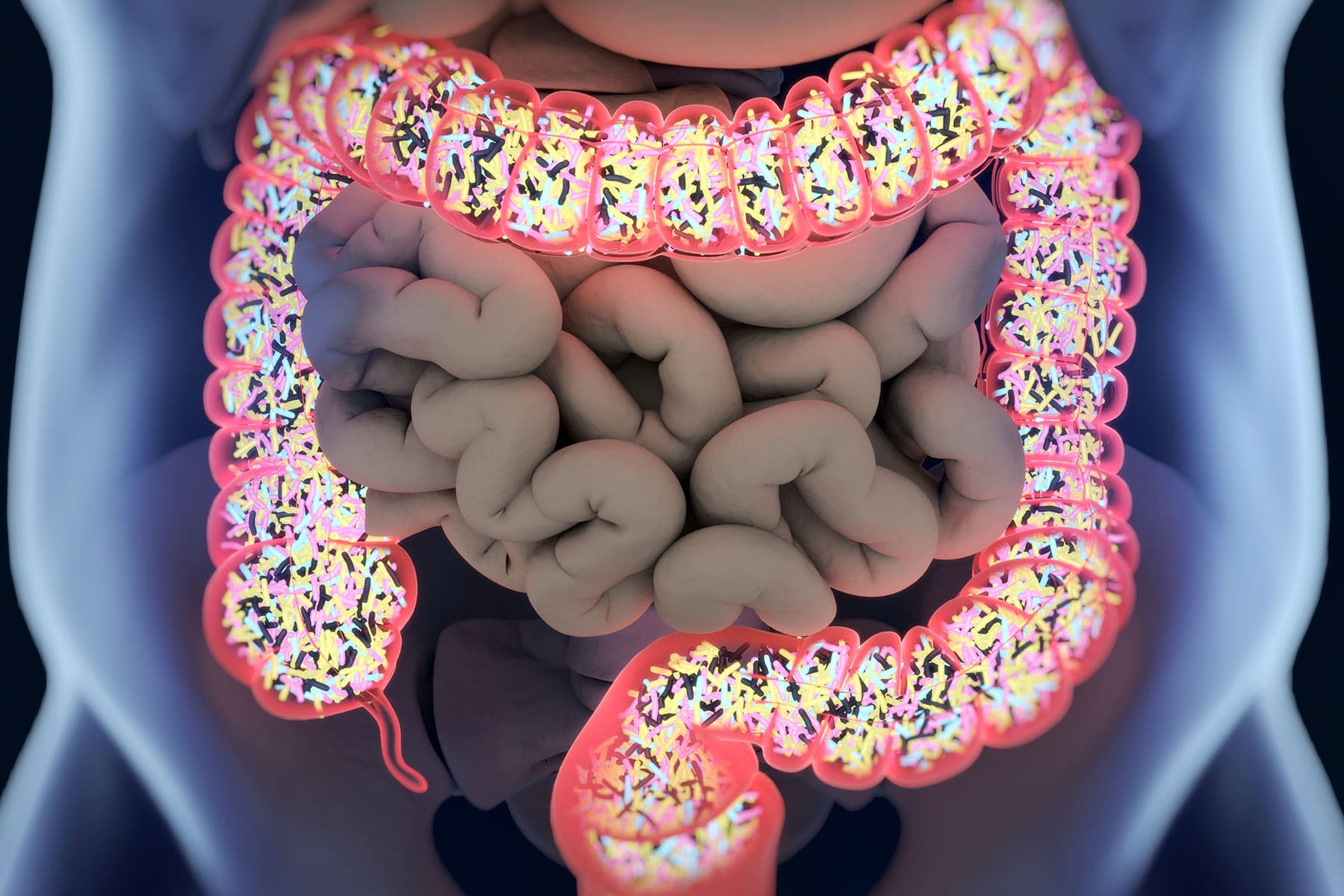
Passion fruit takes the top spot among fresh fruits for fiber, with around 24g per cup. Much of this fiber comes from its edible seeds, which are an important part of the fruit's nutritional profile.
Unlike passion fruit juice, where the pulp and seeds are often strained out, eating the fruit whole allows you to keep more of its naturally occurring fiber. Those tiny, crunchy seeds are actually one of the reasons passion fruit stands out among other fruits when it comes to fiber content.
2. Packed With Nutrients for Energy & Immune Health

Providing a range of essential nutrients in a small serving, passion fruit contains vitamin C, potassium, magnesium, and carotenoids such as beta-carotene. Together, these nutrients help support immune health and energy production, giving this small tropical fruit more nutritional value than its size might suggest.
Its combination of vitamins, minerals, and naturally occurring plant compounds makes passion fruit an easy way to add more nutritional value to your everyday meals and snacks.
3. Supports Antioxidant Protection and Healthy Aging

Research has found significant antioxidant activity in different parts of the fruit, with passion fruit showing particularly high polyphenol content in one study comparing several tropical fruits.
Antioxidants help the body manage oxidative stress, which can contribute to cellular damage over time. While eating passion fruit is certainly not a shortcut to longevity, its combination of antioxidant compounds makes it an interesting addition to a diet focused on cellular health, vitality, and healthy aging.
4. May Support Metabolic Health and Weight Management
/assets/images/provider/photos/2807637.jpeg)
Passion fruit seeds contain piceatannol, a powerful plant polyphenol that delivers antioxidant support to protect cells from everyday oxidative stress.
These findings highlight passion fruit as an interesting food for those focused on metabolic health, healthy weight management, and overall cardiovascular wellness.
5. Its Natural Compounds May Help Fight Cancer Cells
A study found that compounds in passion fruit seed extracts can inhibit the growth of certain cancer cells in laboratory studies. Further studies have also shown promising antitumor effects, including reduced tumor development.
These findings have made passion fruit an interesting subject in cancer research, particularly for understanding how naturally occurring plant compounds may contribute to cellular protection and long-term health.
6. Supports Heart, Muscle, and Nerve Function

Passion fruit provides up to 350 mg of potassium, making it a useful source of this essential mineral. Potassium plays an important role in keeping the heart, muscles, and nerves working properly.
Its naturally favorable potassium-to-sodium ratio also makes passion fruit a nutritious addition to a balanced diet focused on maintaining healthy blood pressure and cardiovascular wellness.
With all these benefits packed into one small fruit, it’s no wonder passion fruit has become a wellness favorite. But did you know there’s more than one type? Let’s take a look at the varieties behind this tropical favorite.
The Different Types of Passion Fruit
Not all passion fruit look or taste the same. While the familiar purple variety may be the one most people recognize, passion fruit comes in several varieties, each with its own color, size, flavor, and texture.
1. Purple Passion Fruit
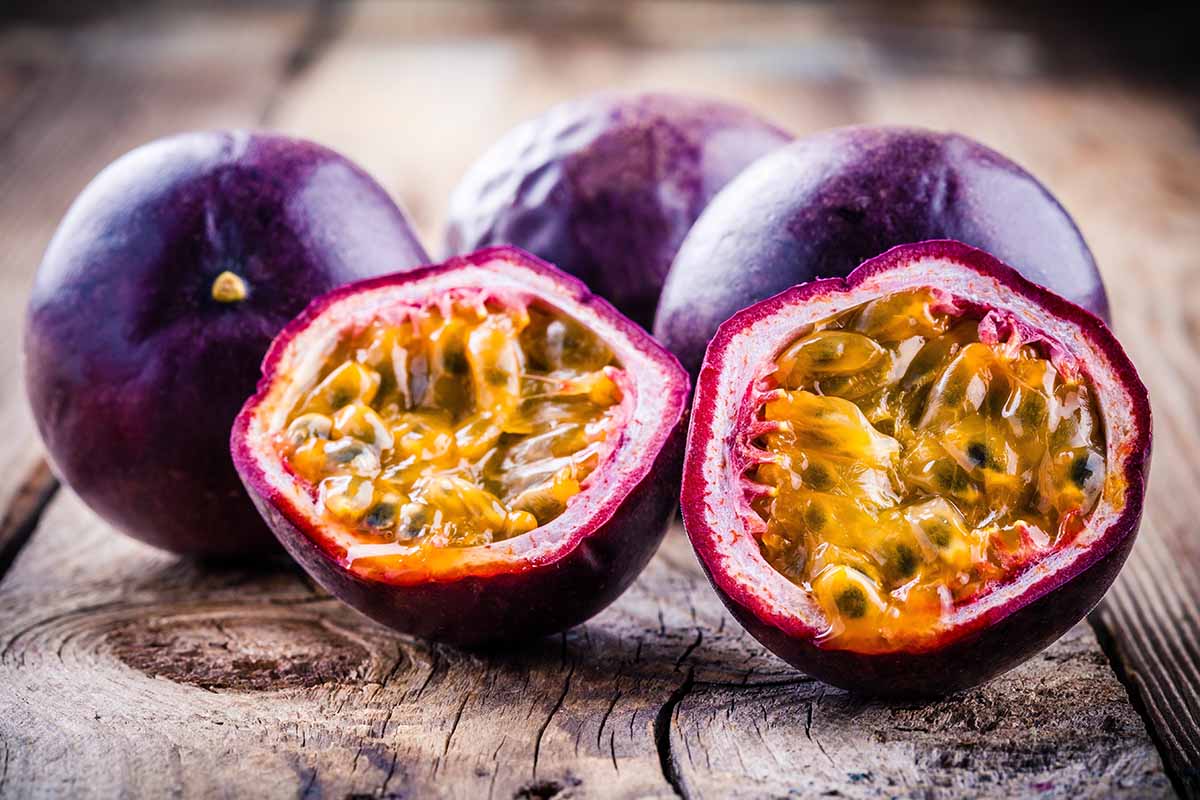
The purple passion fruit is one of the most familiar varieties, known for its deep purple skin, fragrant pulp, and sweet-tart flavor. It tends to be smaller and more aromatic, making it a popular choice for eating fresh, spooning over yogurt, or adding to desserts and drinks.
2. Yellow Passion Fruit

The yellow passion fruit is generally larger, with bright yellow skin and a more pronounced tartness. Its stronger flavor makes it especially popular for juices, smoothies, sauces, and other beverages where a bold tropical taste is welcome.
3. Giant Granadilla

The giant granadilla is a larger relative of the common passion fruit, with a thicker rind and softer, sweeter pulp. It tends to have a milder flavor and can be eaten fresh or incorporated into drinks and desserts.
While these varieties differ in appearance, flavor, and size, they share the same fiber-rich pulp-and-seed structure that makes passion fruit interesting for gut health.
Why Passion Fruit Is Becoming a Favorite for Gut-Friendly Eating
As conversations around gut health and inner wellness become more popular, fiber is getting more attention. It is one of those everyday nutrients that can be easy to overlook, even though it plays an important role in keeping your digestive system working well. But what exactly makes fiber so important for your gut?
Here are a few ways fiber supports digestive health:
-
Adds bulk to stool: Fiber helps give stool more bulk and can support regular bowel movements.
-
Feeds your gut bacteria: Certain types of fiber are fermented by beneficial bacteria in the colon, producing compounds that help support a healthy gut environment.
-
Supports regularity:Getting enough fiber consistently can help keep your digestive system moving regularly and support overall digestive comfort.
For most adults, the general recommendation is around 25 to 38 grams of fiber per day, depending on age and gender. Yet many people still struggle to get enough through their everyday diet, making naturally fiber-rich foods an increasingly valuable part of the conversation.
This is where passion fruit stands out. With its exceptionally high fiber content, passion fruit can be an easy and flavorful way to help increase daily fiber intake while adding more variety to your diet.
Easy Ways to Add Passion Fruit to Your Daily Routine
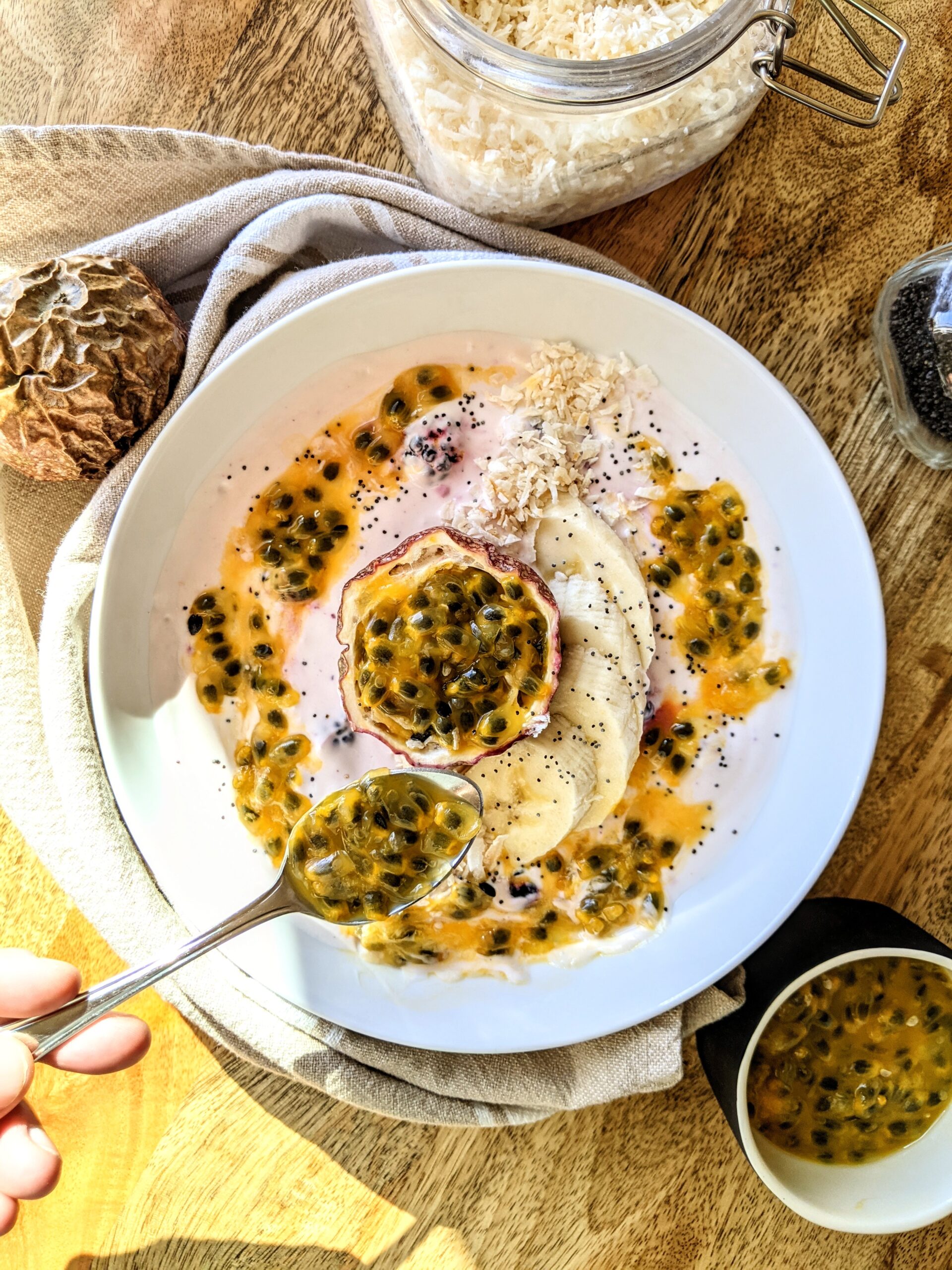
Knowing a food is nutritious is one thing. Actually eating it consistently is a different challenge entirely. The good news is that passion fruit's bold flavor means it slides easily into meals people are already making. Here are five simple ways to start.
-
Passion Fruit Yogurt Bowl
Greek yogurt topped with passion fruit pulp, banana, nuts, and granola for a fiber-and-protein combo that keeps you full. -
Tropical Overnight Oats: Oats, milk, chia seeds, raspberries, and passion fruit pulp stirred together the night before for a grab-and-go, fiber-rich breakfast.
-
Refreshing Passion Fruit Drink: Mix the pulp with cold water or sparkling water, a squeeze of lemon, and ice for a light, refreshing sip.
Passion fruit is easy to enjoy on its own, but it can also fit into a more convenient daily wellness routine. There are also ways to bring that plant-based goodness into your everyday ritual.
Bring Passion Fruit Into Your Daily Gut-Health Ritual With Future Salad

Future Salad combines passion fruit with 15 superfood ingredients in one daily ritual. By bringing together a variety of plant-based ingredients, each serving delivers a broader mix of fiber and nutrients to complement the goodness of passion fruit.
Here is a closer look at how it supports that goal:
-
Powered by Passion Fruit
Future Salad Detox Drink Mix features passion fruit as one of its key ingredients, bringing the nutritional benefits of the fruit into the formula while also adding its naturally bright, sweet-tart flavor. Paired with guava and apple, it helps create a refreshing tropical taste that makes getting your daily dose of plant-based goodness a little more enjoyable. -
Supports Gut Health & Digestive Regularity
Many members of the Future Salad community report experiencing a bowel movement within 24 to 48 hours, often describing the experience as gentle and natural rather than the sudden urgency commonly associated with harsh laxatives. -
Helps You Reach Your Daily Fiber Goal
Future Salad Detox provides 6g of fiber per serving, making it easier to work toward your daily fiber needs without extra meal prep. With fiber from a blend of plant-based ingredients, it is a simple way to add more fiber to your routine while supporting regular digestion. -
Combines 15 Plant-Based Superfoods
Future Salad brings together 15 plant-based superfoods including moringa leaves, spirulina, green tea, and more in one convenient drink mix, providing a broad range of nutrients in every serving. With up to 30 essential nutrients, it makes it easier to add more plant-based goodness and nutritional variety to your daily routine. -
Makes Healthy Nutrition More Convenient
Future Salad Detox is designed to fit easily into busy routines. Just mix, shake, and go, giving you a simple way to add plant-based nutrition to your day without extra preparation or complicated recipes.
It is easy to underestimate passion fruit. It gets treated like a decorative topping or a flavor accent, tucked into the corner of a dessert or drizzled over a smoothie bowl for looks. But its fiber content and broader nutritional profile make it worth a much closer look. For anyone who cares about digestion and gut health, adding more fiber-rich foods like passion fruit is a genuinely simple part of a balanced approach to nutrition.
Sip the power of passion fruit and transform your daily gut health with Future Salad. 🥗