

Fiber is finally getting the attention it deserves. But here's the real question: is it enough?
Let's play a quick game. Name five foods you ate this week that you would confidently call "high in fiber."
Struggling a little? You're not alone.
Despite the growing buzz around fiber, most people still aren't getting enough. In fact, the gap between what you're eating and what your body actually needs is bigger than most people realize.
Fiber Is Trending, But The Intake Is Still Low

Fiber is a type of carbohydrate your body cannot fully digest. Instead of being broken down like other carbs, it moves through your digestive system and helps support regularity, gut function, and microbial balance.
Unlike other carbs that get broken down for quick energy, fiber moves through your gut mostly intact, and that's the whole point. But two modern truths about fiber rarely get connected:
1. Only 1 in 20 Adults Actually Hit This Number
Just this June, researchers at Stanford Medicine put it plainly: only about 5% of American adults meet the daily recommended intake for fiber. Not half. Not most. One in twenty.
The daily target is 25 grams for women under 50 and 38 grams for men, dropping slightly for adults over 50. Yet the average American eats only around 15 grams a day, less than half of what many adults actually need.
2. Modern Life Makes This So Easy to Miss
Processed foods are built to be fast and easy, and fiber usually doesn't survive the trip. Unlike a vitamin deficiency that announces itself, low fiber is sneaky. It doesn't shout. It just quietly nudges your digestion, energy, and appetite off course until "slightly off" becomes your baseline.
Knowing the numbers is one thing. Feeling the effects is another, and that's exactly where most people actually notice something is wrong, long before they'd ever connect it back to fiber.
Five Ways Fiber Works Like Nature's Broom
Fiber works quietly behind the scenes, helping your digestive system stay clean, balanced, and running smoothly. Every day, it moves waste along, supports your gut microbiome, and keeps countless digestive processes working as they should. These five everyday jobs are exactly why fiber has earned the nickname "nature's broom."
1. Sweeps Away Stuck Waste
:max_bytes(150000):strip_icc()/Health-GettyImages-1425552345-bdc5752ba60f46da8f32ddbcfe7db879.jpg)
When fiber intake drops too low, digestion can slow down, increasing the likelihood of constipation and irregularity.
Studies have consistently linked higher fiber intake to improved bowel regularity, which is part of why healthcare professionals often recommend it as a first step for managing occasional constipation. Regularity isn't just about comfort either. It's a genuine sign that your digestive system is functioning the way it should.
2. Clears Out the Heavy, Bloated Feeling

Plenty of people assume fiber causes bloating, but not getting enough of it can also leave you feeling heavy or uncomfortable. When digestion slows down, food and waste may sit in the digestive tract longer than intended, which can contribute to that overly full feeling.
When digestion slows down, food and waste spend more time than intended sitting in the digestive tract, which can lead to fullness and discomfort that lingers long after a meal is over. The fix usually isn't cutting fiber out. It's adding the right amount, consistently, along with plenty of water.
3. Dusts Off Support for the Immune Systems

This one tends to surprise people. Roughly 70% of the immune system is located in the gut, working closely alongside the bacteria living there. When fiber intake is low, those bacteria have less fuel to keep the gut environment balanced, which can leave the immune system with less support than it needs.
Keeping fiber intake steady is one of the simpler ways to help that internal support system stay consistent, rather than something you only think about when you're already run down.
4. Keeps Extra Weight From Piling Up

Foods rich in fiber take longer to digest, which can help you feel fuller for longer after meals. That added satiety may support weight management by making it easier to avoid unnecessary snacking or oversized portions.
Without enough of it, meals stop feeling satisfying fairly quickly, which often leads to more snacking, larger portions, and calories adding up without much notice. Research has repeatedly linked higher fiber intake with greater satiety, making it easier to manage weight without constantly battling cravings or counting every bite.
5. Clears the Path for Steady Energy
:max_bytes(150000):strip_icc()/GettyImages-565889641-2000-ef0278a7e2f947fd877b88150c344ea6.jpg)
Fiber slows the digestion and absorption of carbohydrates, which helps keep blood sugar levels steadier. When meals are low in fiber and high in refined carbs, energy tends to spike quickly and then crash just as fast.
That afternoon slump where you would trade almost anything for a nap? Often it's not a sleep problem or a willpower problem. It's a fiber problem wearing an energy problem's costume. Adding more fiber-rich foods to meals can help smooth that curve out, giving you steadier energy through the day instead of a series of spikes and crashes.
These five issues alone are worth paying attention to. But the story gets more interesting once you look at what's happening deeper inside your gut, past the point most people ever think about.
The Bristles and the Binder: How Fiber Actually Cleans House
:max_bytes(150000):strip_icc()/Health-GettyImages-2182615908-3e9a2f95f0d543eabe691a5e2f7b7077.jpg)
Fiber isn't one-size-fits-all. It comes in two forms, and each supports your body differently.
1. Insoluble Fiber: The Bristles
Bulk → Movement → Regularity
Insoluble fiber does not dissolve in water. Instead, it passes through the digestive tract largely intact, helping add bulk and support the natural movement of waste through the body. Whole grains, wheat bran, and the skins of fruits and vegetables are excellent sources of this important nutrient.
2. Soluble Fiber: The Binding Agent
Absorbs Water → Forms a Gel→ Slows Digestion → Helps Carry Waste Through the Digestive Tract
Soluble fiber dissolves in water and forms a gel-like substance as it moves through the gut. This process slows digestion, supports more gradual nutrient absorption, and helps move waste through the digestive system. Oats, beans, and apples are some of the best-known sources of soluble fiber.
A Healthy Gut Starts With What You Feed It
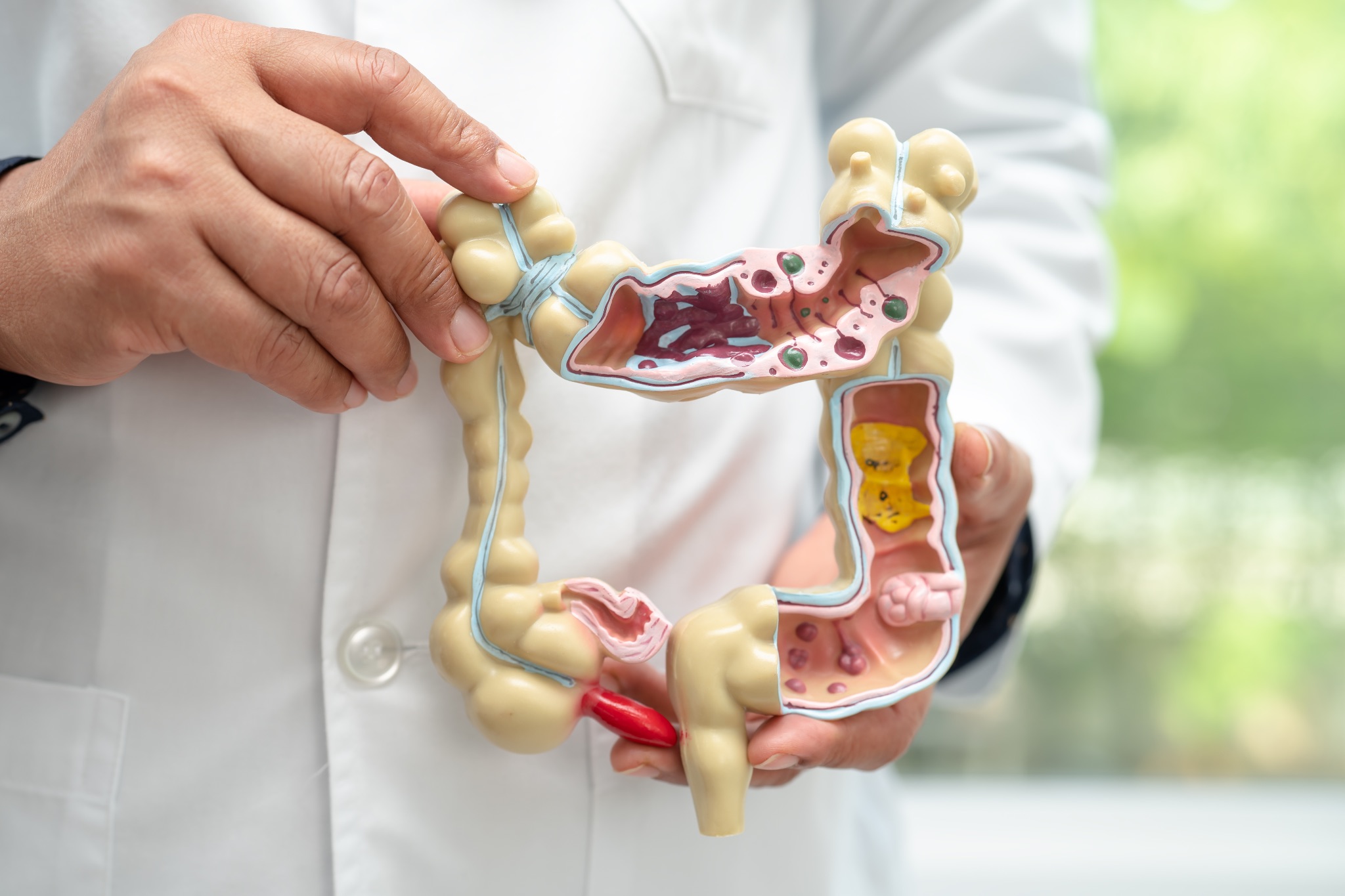
As both types of fiber reach the colon, they become food for the trillions of beneficial bacteria living in your gut. Those bacteria ferment the fiber and produce compounds called short-chain fatty acids, which help support the gut lining, maintain a balanced digestive environment, and strengthen the relationship between your gut and the rest of your body.
Easy Gut-Friendly Foods Worth Reaching For
Supporting your gut does not require a dramatic overhaul. Some of the most accessible options are foods that combine fiber with natural prebiotic compounds found in vegetables and fruits.
- High-fiber vegetables: broccoli, spinach, Brussels sprouts, asparagus, and leafy greens.
- High-fiber fruits: raspberries, apples, blackberries, guava, and avocados.
- Prebiotic-rich foods: garlic, guar gum, onions, leeks, asparagus, and artichokes.
- Everyday fiber staples: beans, lentils, oats, and whole grains are easy ways to keep fiber intake steady.
It's easy to focus on gut health alone when talking about fiber. But its effects don't stop there; they ripple out far beyond digestion.
The Ripple Effect of a Fiber-Rich Diet
The benefits of fiber don't stop with your gut. A fiber-rich diet supports many of your body's essential systems, creating a ripple effect that extends well beyond digestion.
Better Heart Health
Soluble fiber, found in oats, beans, and apples, binds to cholesterol before it's absorbed into the bloodstream. Over time, this can support healthier cholesterol levels and long-term heart health.
Supports Long-Term Metabolic & Cellular Vitality
Consistently meeting daily fiber recommendations supports steady blood sugar regulation, optimal bowel motility, and long-term metabolic health, making daily fiber an essential foundation for lifelong well-being.
The Gut-Brain Connection
The gut and brain communicate through what's known as the gut-brain axis. Since fiber feeds the bacteria behind much of that communication, a well-fed gut may quietly support mood and mental clarity too.
Supports Healthy Aging
Research suggests that people who consistently eat enough fiber are more likely to age in good health, maintaining better physical function, vitality, and overall well-being as they get older. While no single nutrient determines how we age, fiber is considered one of the key building blocks of healthy aging.
The Real Obstacle Isn't Knowledge
The fact that up to 95% of adults still don't get enough fiber isn't simply an awareness problem. It's about finding room for better nutrition between meetings, commutes, errands, and the eternal question of what's for dinner. That's where small, convenient habits begin to matter more than ambitious diet overhauls.
Future Salad: A Simple Way to Support Daily Fiber Intake

Future Salad was created with a simple goal: to make gut health effortless. Not by offering shortcuts, but by using advanced technology to help preserve the goodness of real fruits and vegetables, making plant-based nutrition more accessible, practical, and easier to fit into modern lifestyles.
Here are a few reasons why Future Salad can be a valuable addition to a fiber-focused wellness routine.
-
An Effortless Way to Increase Daily Fiber Intake
With 6g of fiber per serving, Future Salad Detox offers a simple way to support daily fiber intake and make this essential nutrient a more consistent part of your routine.
-
Supports a Healthy Gut Environment
Fiber helps nourish beneficial gut bacteria that play an important role in digestion and overall wellness. Sourced from a diverse blend of plant-based ingredients, the fiber in Future Salad Detox helps promote a healthier, more balanced gut environment. -
All-Natural Superfoods Working Together
Future Salad combines 15 carefully selected superfoods, including moringa leaves, spirulina, spinach, wheatgrass, green tea, and more. This variety helps deliver a broader spectrum of plant-based nutrition than most people typically consume in a single meal or snack.
-
30+ Essential Nutrients to Complement Your Diet
Beyond fiber, Future Salad Detox contains over 30 essential nutrients that help support everyday wellness. It is designed to complement your existing diet and help bridge nutritional gaps that can occur when fruit and vegetable intake falls short.
-
Built for Consistency, Not Complexity
Fiber works best when you make it part of your daily routine. Future Salad Detox makes that simple. In just 10 seconds, you can mix, sip, and support your gut without spending time preparing vegetables or making a smoothie.
A Small Habit That Can Make a Big Difference
In a world full of complex health routines, fiber remains one of the simplest, most well-studied ways to support long-term wellness. Supporting your microbiome directly influences your immune system, metabolic balance, and overall vitality. Prioritizing fiber isn't just a minor dietary tweak; it's a proactive strategy for healthy aging and lasting well-being.
Nature gave your gut the perfect cleanup crew. Future Salad makes it easier every single day. 🍃