

Every bold color and sharp flavor in a plant comes from phytonutrients, specialized plant compounds designed to protect its health, and yours.
Most health advice stops at “eat your greens.” It rarely goes deeper than that, which makes it easy to dismiss as generic advice: drink your water, sleep eight hours, and move on without real change.
But there is a deeper layer of science inside every vegetable, fruit, and herb on your plate. It helps explain why some people have more energy, clearer skin, stronger immunity, and better digestion, not because of one “superfood,” but because of the range of what they consistently eat.
That layer has a name: phytonutrients. Once you understand what they are, where to find them, and what they do, eating well starts to make a lot more sense.
What Are Phytonutrients and Why Do They Matter for Your Health?
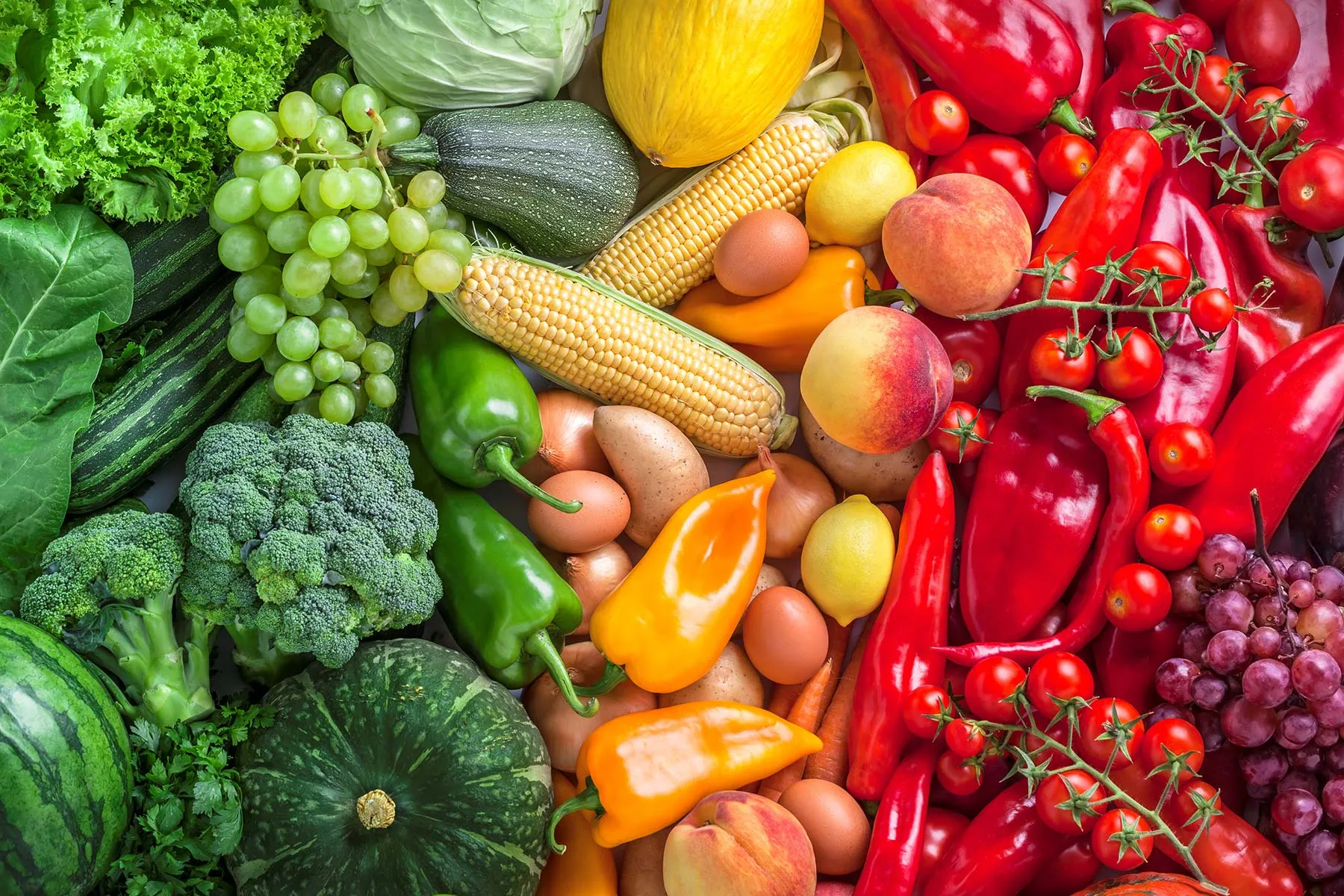
The name sounds intimidating, but it really is not. "Phyto" just means plant in Greek. So phytonutrients are simply natural compounds that plants produce on their own.
Here is the part that makes it interesting: plants do not make these compounds for us. They make them for themselves.
Think about it. A plant cannot run from danger. It cannot swat away bugs, move away from harsh sun, or fight off a disease. So over millions of years, plants developed phytonutrients as their own internal chemistry to protect themselves. Some of these compounds work as natural bug repellents. Others shield the plant from UV damage. Some attract bees and butterflies for pollination. Others fight off bacteria and mold.
Those bold colors, strong flavors, and sharp smells you notice in fruits, vegetables, and herbs? That is all phytonutrients doing their job.
When we eat those plants, our bodies absorb those same compounds, and it turns out we benefit from them in a big way. Researchers have identified over 25,000 different phytonutrients across plant foods. They are grouped into families like flavonoids, carotenoids, and polyphenols. Each group works a little differently inside the body, which is exactly why variety matters so much.
Phytonutrient-Rich Foods: Why Color Matters
Here is the most practical thing you can take from all of this: the color of your food is a clue.
The pigments that give plants their colors are very often phytonutrients themselves. This is the actual science behind "eating the rainbow." It is not just a catchy phrase. It is a shortcut to covering a wider range of these compounds.
1. Red and Pink Foods (Heart Support and Cancer Risk Reduction)

Carotenoids are natural plant pigments that give foods red, orange, and yellow tones. In red and pink foods, the main carotenoid is usually lycopene, which has been studied for its antioxidant activity and possible links to heart health, as well as a reduced risk of certain cancers, including breast, lung, and prostate cancers.
Tomatoes, watermelon, pink grapefruit, and guava are common examples. The deeper the red, the more lycopene the food often contains.
2. Orange and Yellow Foods (Skin and Immune Support)
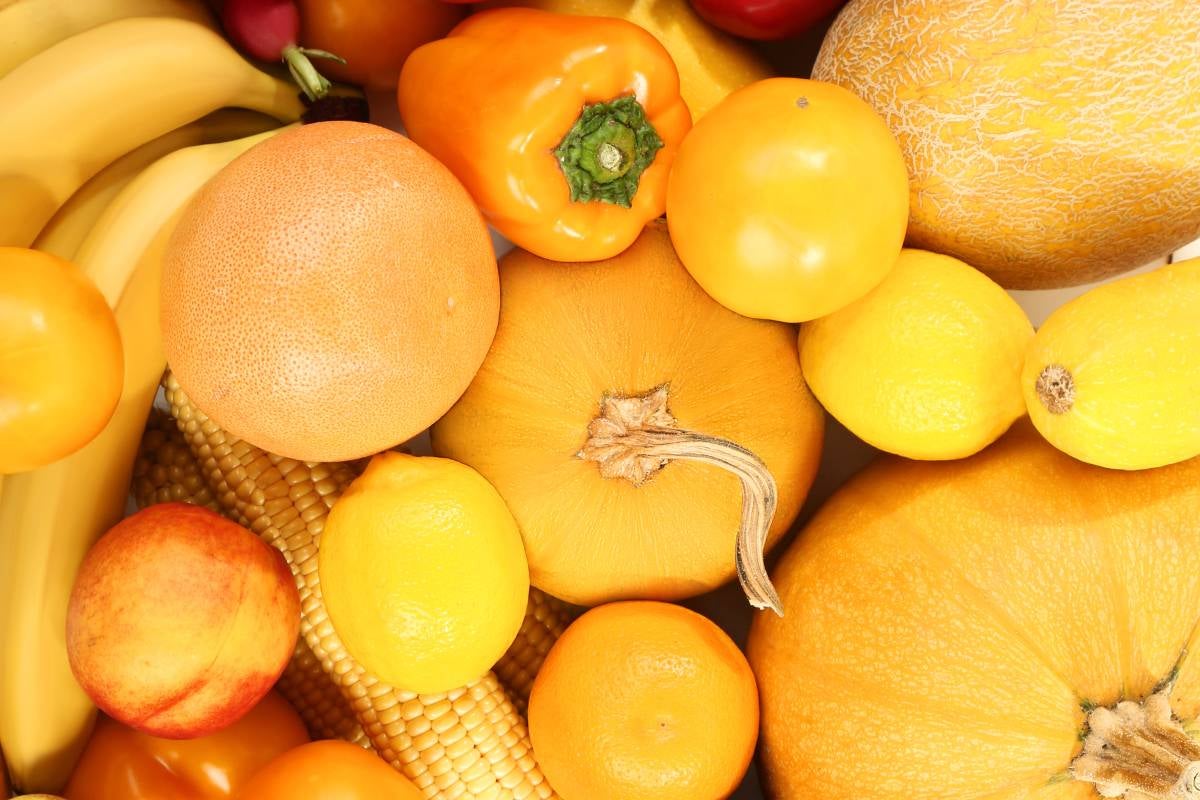
Beta-carotene is one of the phytonutrients that gives foods their orange and yellow tones. It is a phytonutrient that the body can convert into vitamin A, which supports vision, immune function, and healthy skin. It also plays a role in supporting overall antioxidant protection in the body.
Examples include carrots, sweet potatoes, mangoes, pumpkin, and turmeric.
3. Dark Leafy Greens (Eye Health and Cellular Protection)
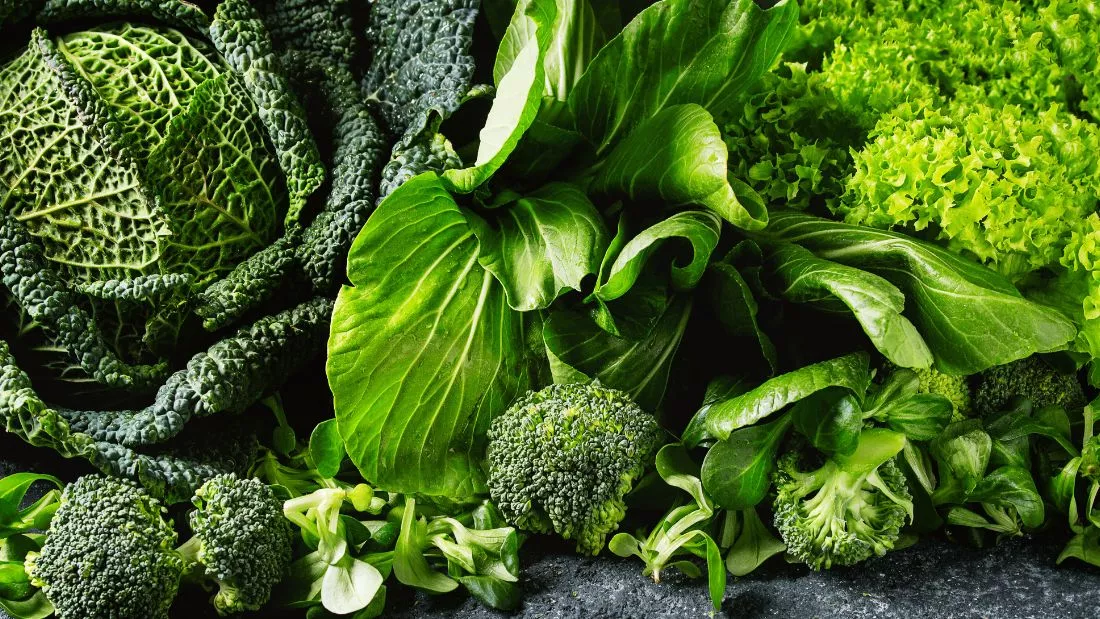
Dark leafy greens are rich in pigments that help protect plants from sunlight and may also support human health. Lutein and zeaxanthin are phytonutrients that are especially well studied for eye health, while chlorophyll gives greens their deep color and supports detoxification and cellular health.
Spinach, kale, moringa leaves, and wheatgrass are all rich sources of lutein, zeaxanthin, and chlorophyll.
4. Blue and Purple Foods (Brain Health and Aging Support)

Anthocyanins are flavonoid pigments that give many fruits and vegetables their blue, purple, and purple-red tones. They are studied for their antioxidant effects and possible roles in brain health.
These compounds are commonly found in blueberries, blackberries, red cabbage, purple sweet potatoes, and purple grapes.
5. Cruciferous Vegetables (Detoxification and Long-term Health)
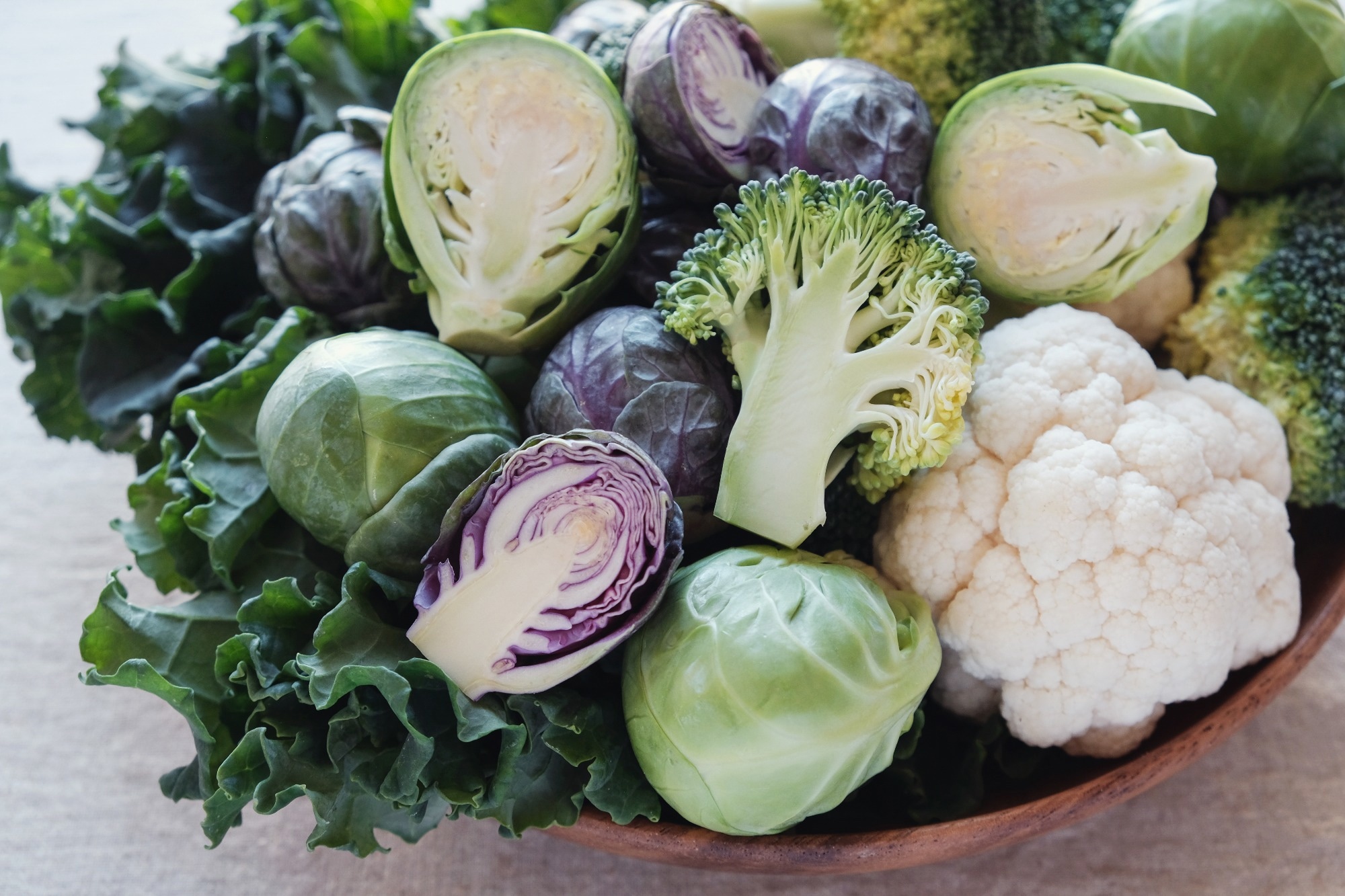
Glucosinolates are sulfur-containing compounds found in cruciferous vegetables. When these foods are chopped or chewed, glucosinolates break down into active compounds that have been studied for their role in supporting the body’s natural detoxification processes and improving overall health.
These are commonly found in broccoli, cabbage, Brussels sprouts, cauliflower, and kale.
6. Algae and Sea Greens (Unique Antioxidants and Nutrient Density)
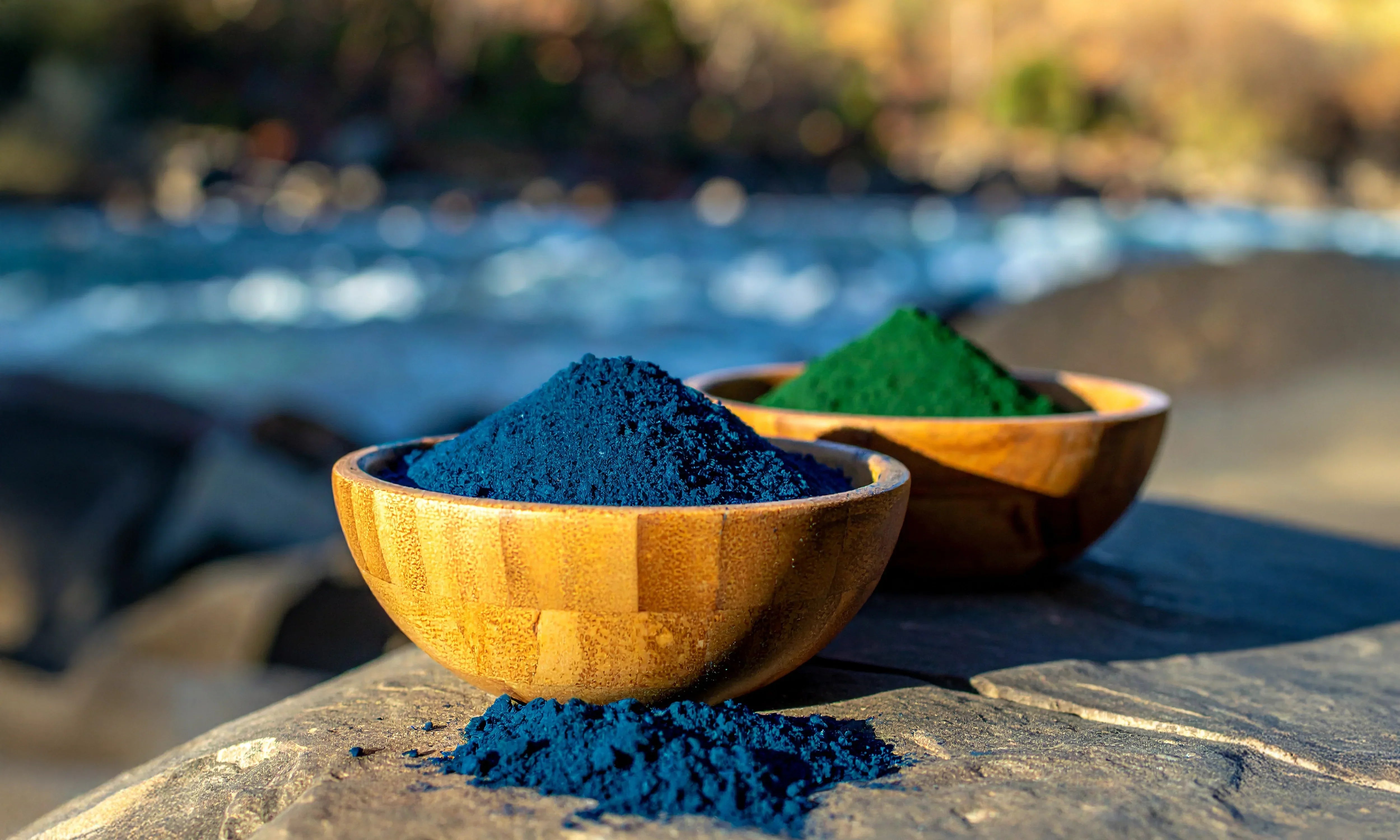
Algae like spirulina contain phycocyanin, a blue pigment with antioxidant activity. Sea greens are less common in the average diet, but they can provide a unique range of bioactive compounds.
Examples include spirulina, chlorella, and some marine algae products.
The more colors on your plate, the more variety of these compounds you are getting. And that variety is the whole point.
Signs Your Diet May Be Low in Phytonutrients

There is no blood test for this. No dramatic warning sign. The signals tend to show up quietly, in ways that are easy to chalk up to stress, age, or just a busy week. But sometimes, the first signs are not how you feel. They are what your daily habits look like.
If several of these sound familiar, it might be worth paying attention:
- Low energy– feeling easily fatigued or lacking stamina throughout the day
- Brain fog or poor focus– difficulty concentrating or staying mentally sharp
- Skin changes– dullness, dryness, or slower recovery
- Frequent cravings– especially for sugary or processed foods
- Weight fluctuations – unintentional gain or loss linked to reliance on highly processed meals
These are not dramatic symptoms. They are quiet signals that your body may not be getting a wide enough range of phytonutrients to function at its best.
And if you look at your plate, this is often why:

- Your meals look the same most days, built around the same few ingredients with very little color variation
- Your grocery cart rarely changes, and you tend to rotate through the same set of vegetables or skip them altogether
- Your plate leans more toward beige and brown than greens, reds, and purples
- A large part of your diet comes from processed, packaged, or convenience foods, with fewer fresh, whole plant ingredients
The way your plate looks and the way your body feels are more connected than most people realize.
Why It All Comes Down to the Gut

Most of those signs point back to one place: your gut. According to research, phytonutrients found in plant foods play an important role in supporting a healthy gut microbiome by helping beneficial bacteria thrive and contributing to overall gut health.
Your gut is home to trillions of microorganisms. Together, they make up what is called your gut microbiome. And this system is doing a lot more than just digesting your food.
Your gut microbiome is involved in:
- Digestion: helps break down food, improve nutrient absorption, and support regular bowel movements
- Immunity: supports and helps regulate immune responses, keeping the body balanced and resilient
- Nutrient production: helps produce certain vitamins and beneficial compounds your body cannot make on its own
- Brain health: communicates with the brain through the gut-brain axis, influencing mood, focus, and mental clarity
- Overall balance: helps maintain a healthy internal environment that supports multiple systems in the body
What feeds this system? Plants. Specifically, the diversity of plants you eat.
Here are some simple truths:

- Modern diets are often built around a limited number of plant foods, which can reduce overall plant diversity and nutrient intake.
- About 75% of the world’s food supply comes from just 12 plant species and 5 animal species.
- People who eat 30 or more different plant foods per week tend to have a more diverse gut microbiome than those who eat fewer plant varieties.
- Average fiber intake in the U.S. is around 15 to 16 grams per day, indicating a lower intake of plant foods than what is typically recommended.
The Gap Between Knowing and Actually Doing
Most people already know they should eat more plants. The challenge is doing it consistently with enough variety day after day. Life gets busy, and preparing a wide range of plant foods every week is not always realistic. Even when people try to eat well, consistency often fades over time. Research on phytonutrients points to one key idea: it is not the occasional healthy meal that makes the difference, but a steady, daily intake over time.
A Simpler Way to Get Plant Diversity Every Day

Future Salad was designed specifically for this problem. It is not a replacement for eating well. It is the thing that makes getting phytonutrients from whole foods actually sustainable on the days when life does not cooperate, which is most days.
Here is what makes it different from your average greens powder:
- 15 Plant Ingredients in Every Single Serving.Future Salad Detox features 15 fiber-rich superfoods, including moringa leaves, green tea, aloe vera, and more, each from a different plant family. Getting this range from food alone would take a full week of very intentional eating.
-
A Wide Spectrum of Phytonutrients. From green chlorophyll compounds in wheatgrass, spinach, and moringa leaves, to blue-green phycocyanins in spirulina, and red lycopene from guava, Future Salad Detox is designed to cover a broad range of plant compounds. Greater diversity in your ingredients means greater variety of phytonutrients in your body.
-
Over 30 Nutrients From Natural Sources. Each ingredient in Future Salad Detox also provides vitamins, minerals, and dietary fiber, along with phytonutrients. No synthetic additives. No artificial fillers.
-
Up to 6g of Fiber Per Serving. Each serving of Future Salad Detox helps support your daily fiber intake, making it easier to get closer to recommended levels while also contributing to your weekly plant variety goals. It serves as a simple way to support both consistency and diversity within a single habit.
- It Works Because You Can Actually Take it Every Day. You do not need to source, prep, or cook anything. One drink, under a minute, anywhere you are. Future Salad is built to be that habit.
Phytonutrients are not a trend. They are a well-researched category of plant compounds that directly support how your body manages inflammation, strengthens its natural defenses, and keeps your gut ecosystem running the way it should.
Science does not ask you to overhaul your entire diet overnight. It just asks for consistency. For variety. For a little more intention around what you put on your plate, or in your glass, every day. If your body has been quietly asking for more, this is the answer it has been waiting for.
Stop struggling to 'eat the rainbow' and start drinking it today with Future Salad. 💚