

Ever fallen down the fibermaxxing FYP? This trend isn’t about cutting out food. It’s about adding what most people forgot.
Picture this: you’re scrolling TikTok late at night when someone shows a plate loaded with beans, chia seeds, and roasted veggies, claiming their gut has never felt better. The caption reads: “Day 14 of fibermaxxing and I’ve never felt so good.” One video turns into many, and suddenly you’re deep in a rabbit hole about fiber.
Fibermaxxing isn’t just another internet trend. It’s one of the most science-backed nutrition habits gaining attention right now. And if you’ve been focusing on protein while fiber stayed in the background, it might be time to give it the spotlight.
So, What Actually Is Fibermaxxing?
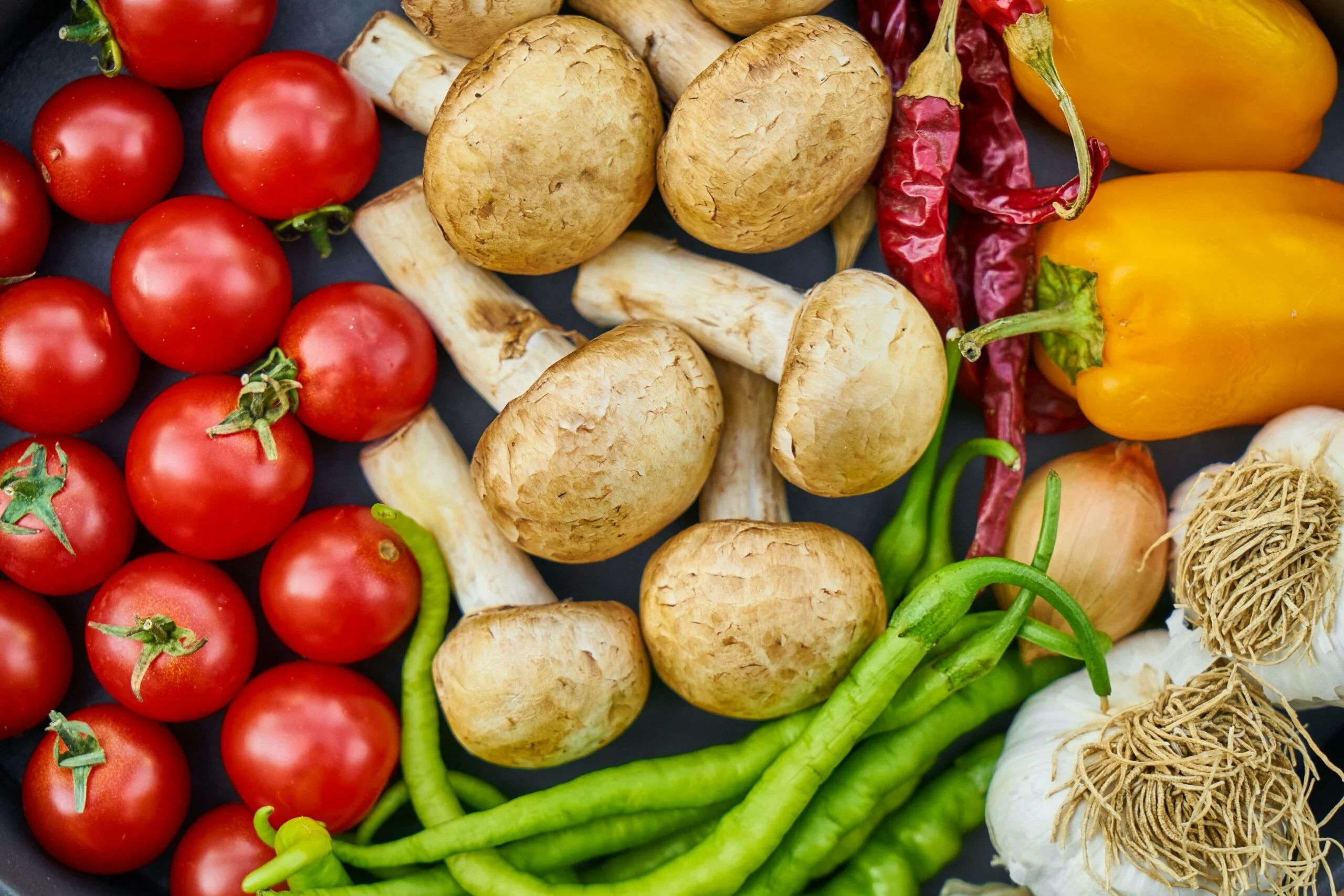
Fibermaxxing is exactly what it sounds like: the intentional, committed effort to maximize your daily fiber intake. The term comes from the internet slang “-maxxing,” which means pushing something to its maximum or optimizing it as much as possible.
In this case, fibermaxxing means not just barely hitting the minimum, but actually treating fiber like a priority nutrient, the way most of us have been treating protein for years.
Here's a quick breakdown:
- Where it started: TikTok. The #fibermaxxing hashtag gained millions of posts showing creators adding more high-fiber foods and sharing gut health experiences.
- Who's doing it: Gen Z, millennials, biohackers, and registered dietitians.
- How it's being done: Plant diversity challenges ("Can you eat 30 different plants this week?"), simple high-fiber swaps, and meal prep focused on increasing fiber intake.
- What it's not: A restrictive diet. Fibermaxxing focuses on adding more fiber-rich foods, not cutting foods out.
- The numbers: Women need about 25g of fiber per day, men about 38g, but most people only get 10–16g daily. Fibermaxxing aims to close that gap.
Who's Talking About It (And Why That Matters)

Fibermaxxing didn't just go viral because of one video. It picked up momentum because credible voices across the wellness space started backing it at the same time, and the conversation spread fast.
"Fibermaxxing is slang for eating tons of fiber, either meeting or exceeding the daily recommendations. Protein has always gotten the spotlight, but with colon cancer rates increasing, people are becoming more aware of their low fiber intake and trying to maximize it.” (via Good Morning America)

That framing is actually a big part of why fibermaxxing resonated where other wellness trends have flopped. It's not punishing. It's not restrictive, and that's a refreshing message in a space that has historically been obsessed with taking things away.
7 Reasons Fiber Deserves to Be Maxxed
Let's clear something up first: fiber has spent decades being reduced to one job. Keep things moving. That's it. And while yes, it does that really well, the full picture is so much bigger than that. We've been dramatically underselling this nutrient, and the science has been saying so for a while.
First, the two types, quickly:
- Soluble fiber dissolves in water and forms a gel in your gut. It helps you feel full longer, keeps blood sugar steady, and lowers bad cholesterol.
- Insoluble fiber doesn’t dissolve. It adds bulk to your stool and helps food move through your digestive system more easily.
You need both, and what’s happening inside your body is where fiber really makes the biggest difference. Here’s what fiber is actually doing for you:
1. Feeds The Good Bacteria in Your Gut
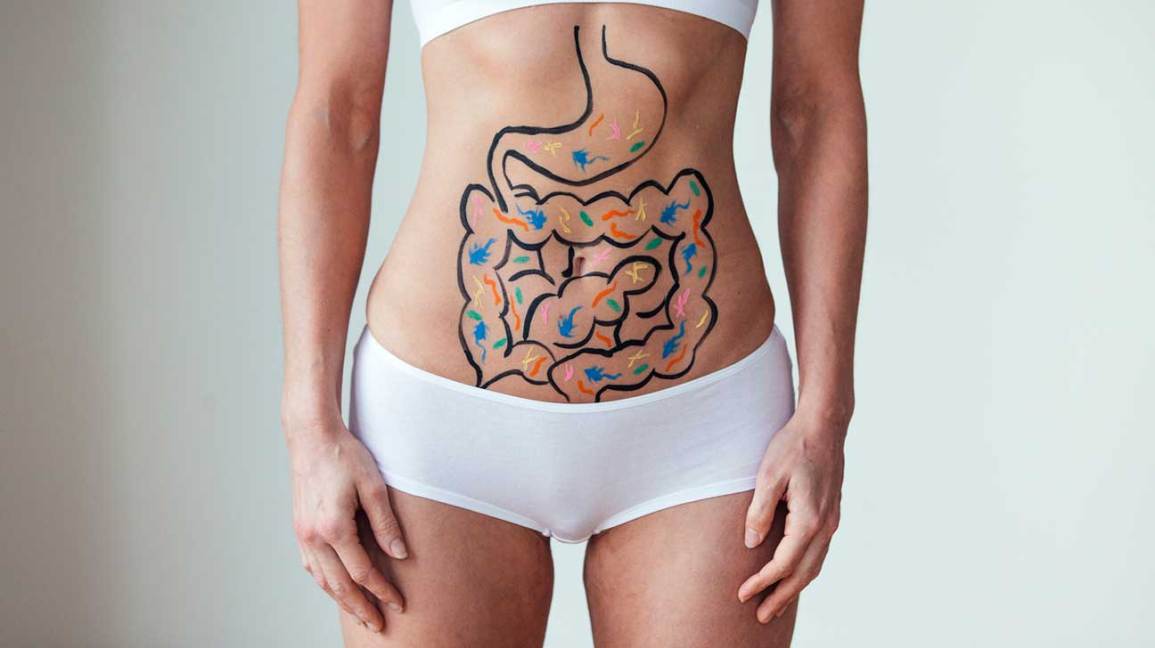
Your gut is home to trillions of bacteria, and fiber is one of the main food sources. When they're fed well, they produce compounds that support your gut lining, calm inflammation, and keep your metabolism running smoothly.
2. Keeps Your Blood Sugar From Spiking and Crashing
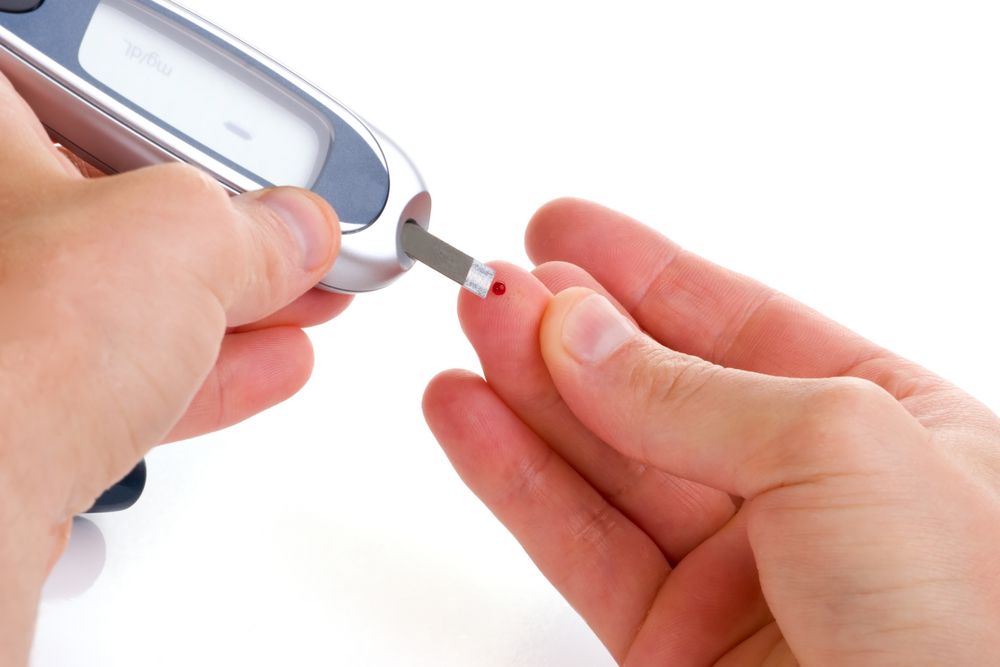
Soluble fiber slows down how quickly sugar gets absorbed into your bloodstream. That means more stable energy, fewer afternoon crashes, and fewer unnecessary cravings after meals.
3. Lowers Bad Cholesterol

Soluble fiber forms a gel in your digestive tract that can bind to LDL cholesterol, helping prevent its absorption and supporting healthy cholesterol levels. Consistent fiber intake is one of the most accessible, food-based ways to support heart health long term.
4. Keeps You Full Without Extra Calories

Fiber slows digestion, expands in your stomach, and signals satiety hormones faster. It's one of the best natural tools for managing hunger without restricting food groups or counting every calorie.
5. Supports Your Mood and Mental Clarity

Your gut and your brain are in constant communication through what's called the gut-brain axis. The state of your gut microbiome genuinely affects your mood, your anxiety levels, and how clearly you think. According to a study, a well-fed, diverse microbiome is increasingly linked to better mental health outcomes.
6. Supports Detox and Waste Elimination
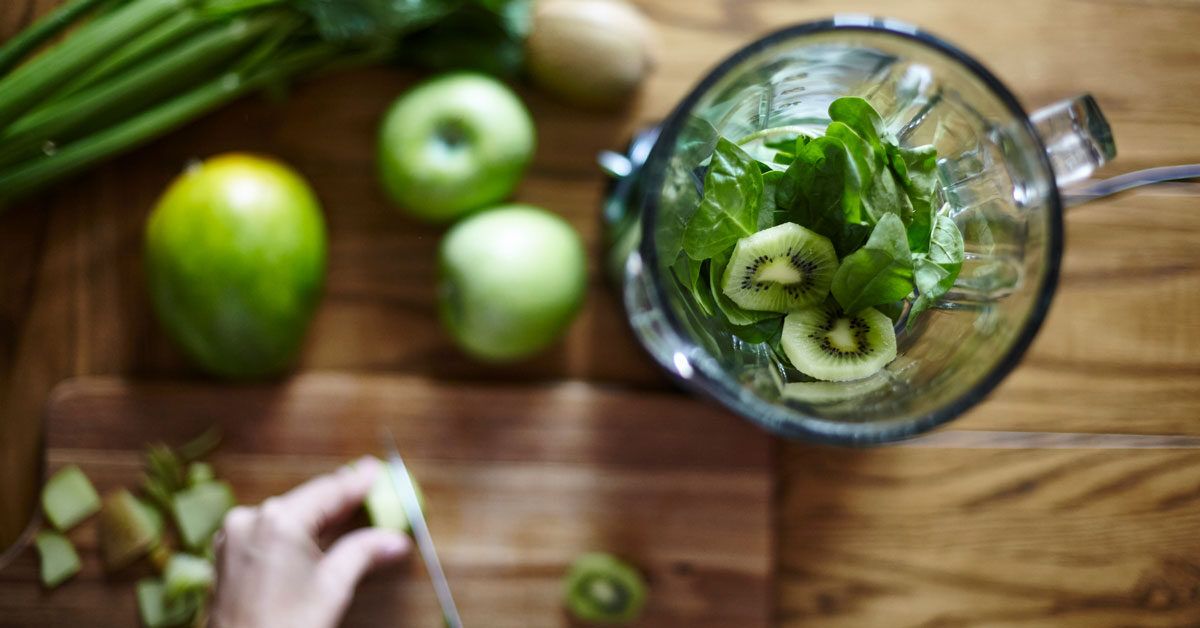
Your liver and digestive system handle detoxification naturally, and fiber supports this process by binding to waste products, excess hormones, and toxins and helping them move out efficiently.
7. Supports Long-Term Health and Reduces Chronic Disease Risk

Colon cancer rates in younger adults have been rising, and low fiber intake is one of the factors researchers often point to. That’s a big reason Gen Z started paying closer attention to fibermaxxing. But the benefits go beyond colon health. Diets higher in fiber are also linked to lower risks of heart disease, type 2 diabetes, and other chronic conditions, making fiber one of the simplest nutrients to prioritize for long-term health.
The American Gut Project, one of the largest microbiome studies ever conducted, found that people who ate more than 30 different types of plants per week had significantly more diverse gut microbiomes. That diversity matters because a wider range of gut microbes helps your body digest food more efficiently, produce beneficial compounds, support your immune system, and maintain better overall metabolic health.
It is also why the fibermaxxing trend has gained so much attention. The more variety you feed your gut, the more support your body gets in return, but all of that sounds great in theory. Here's the honest question: Are you actually getting enough fiber to experience any of it?
Signs You May Not Be Getting Enough Fiber

Some signs of low fiber intake are easy to miss because many people have started treating them as normal.
- The afternoon energy crash after lunch.
- The bloating after meals.
- The constipation you’ve just accepted as a part of your week.
- The brain fog that shows up even when you slept fine.
A lot of that connects back to what's happening (or not happening) in your gut. When your gut bacteria don't have enough fiber to work with, they produce fewer of the beneficial compounds your body relies on. The gut lining doesn't get the support it needs. Inflammation quietly creeps up. And all of that shows up in how you actually feel every single day, even when you can't quite name why.
The good news? You don't need a complete diet overhaul. These small, consistent swaps are where most people start, and where the biggest changes begin.
Your Fibermaxxing Starter Guide: How to Max Out Your Fiber
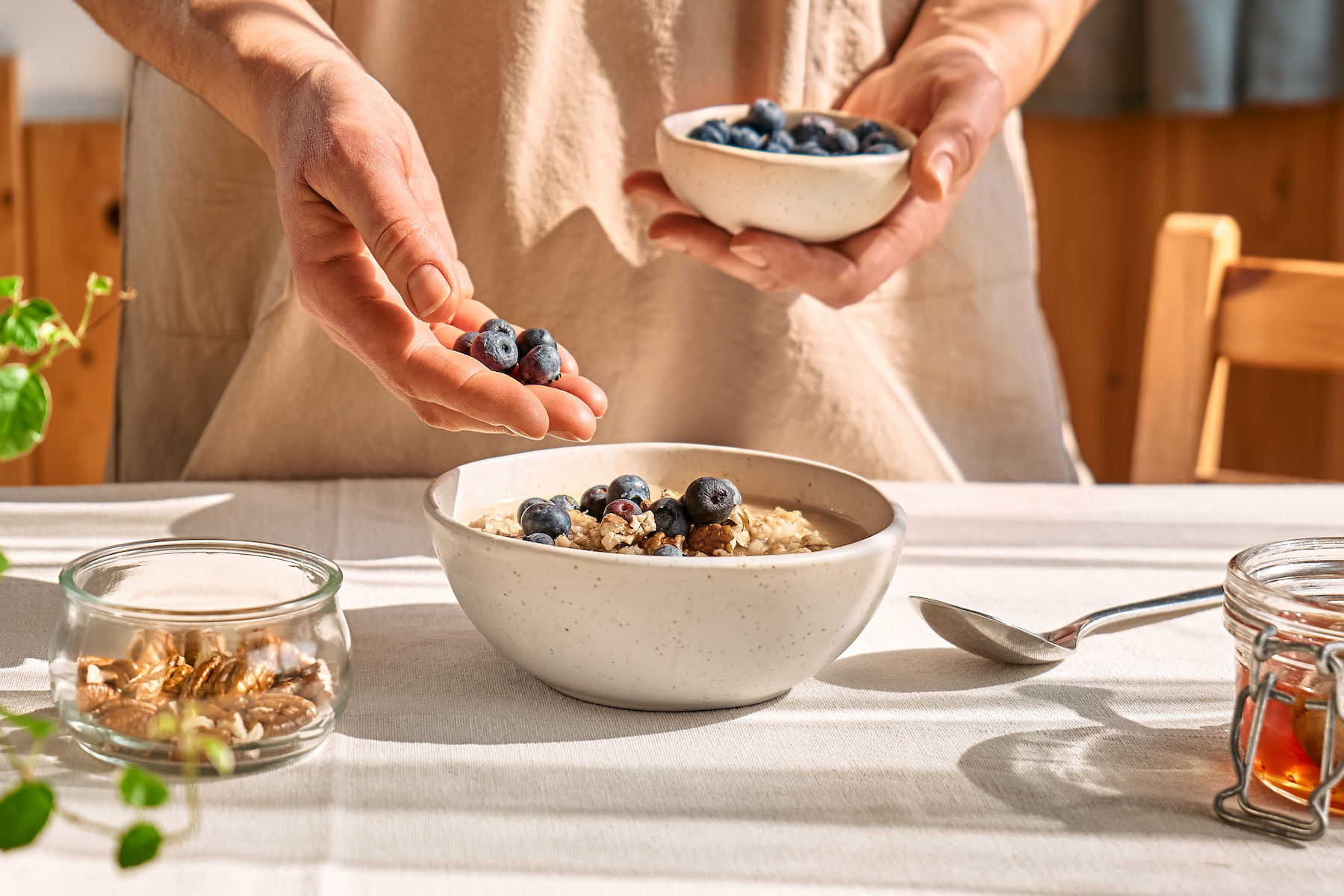
You don't need to overhaul your whole diet. Small, consistent swaps add up fast:
- Add beans or lentils to one meal a day. A half cup of cooked lentils has about 8g of fiber. Throw them in a salad, a wrap, or mix them into pasta sauce.
- Swap white bread for whole grain. That typically adds about 2–3g of fiber per slice without changing much else.
- Keep fruit with the skin on. A medium apple with the peel has about 4g of fiber; peeling it reduces that by nearly half. The skin is doing a lot of work.
- Add chia seeds to anything. Two tablespoons give roughly 10g of fiber. Stir into yogurt, smoothies, oatmeal, or even water.
- Make vegetables the base, not the side. When veggies fill about half your plate, your fiber intake naturally climbs without it feeling like a chore.
- Try a 30-plants-in-a-week challenge. Herbs, spices, and grains count too. It's less intimidating than it sounds and makes eating more interesting.
- Drink more water as you increase fiber. Fiber without enough water might be the reason you end up bloated and uncomfortable. Water helps everything move the way it should.
Those swaps work. But planning and prepping high-fiber meals every single day is where most people hit a wall. And that gap between knowing what to do and actually doing it is exactly the problem worth solving.
Future Salad: An Easy Way to Increase Your Fiber Intake

Fibermaxxing is all about prioritizing fiber and making it a consistent part of your daily routine. But in reality, hitting those fiber goals every day isn’t always easy. That’s exactly why Future Salad was created: to help people boost their fiber intake and support gut health in a simple, convenient way.
🥗 Not Just a Fiber Drink, But a Full Nutritional Upgrade.
- Future Salad Detox Drink Mix features 15 whole-food ingredients, freeze-dried to help preserve nutrients. Just a few more each day gets you closer to that 30-plant-per-week goal.
- Up to 6g of fiber per serving to support daily fiber intake.
- Over 30 essential nutrients in one drink, with no artificial additives.
🍃 Making Your Gut Health a Priority
- Future Salad Detox Drink Mix supports regularity by making sure what you eat moves through your system properly.
- Provides gentle detox support by helping your body eliminate waste efficiently.
- Reduces bloating and supports regularity over time as your gut adjusts to consistent, quality fiber intake.
- Helps curb cravings to support healthier weight management.
⚡️ Fibermaxxing Without The Meal Prep Spiral
- No chopping. No blending. No figuring out what to do with half a head of cabbage.
- Future Salad Detox Drink Mix delivers the fiber and nutrients of a salad in one effortless drink.
- Fits into your morning routine, post-workout recovery, or afternoon reset without rearranging your whole life.
Fibermaxxing isn't about becoming the person who has everything figured out and eats a perfectly balanced plate at every meal. It's about one of the simplest shifts you can make for your body: give your gut what it actually needs, consistently. The science is strong. The momentum is real. And once you start noticing the difference, it's hard to go back to ignoring fiber the way most of us have been.
Your gut has been running on low-fiber fumes for too long. It's ready for the glow-up. And you don't have to make it complicated to make it count.
Stop restricting, start maximizing: Join the Fibermaxxing Revolution with Future Salad. 🥗