

Bloating is one of the most common digestive issues, affecting many people at some point in their lives. Whether it’s after a big meal or an uncomfortable feeling that seems to last for hours, bloating can significantly impact your comfort and energy levels. But what exactly is causing this discomfort, and more importantly, how can you reduce it?
WHAT is Bloating?

Bloating refers to the feeling of fullness, tightness, or swelling in your abdomen, usually caused by gas or air. It’s more than just feeling a little "full"; bloating can lead to a visibly distended belly and discomfort. Bloating often occurs after eating but can also be related to other factors like hormonal changes or digestive issues.
WHO Experiences Bloating?
While bloating is common, it doesn’t affect everyone equally. It can impact:
- Anyone with a poor diet or eating habits: Overeating, eating too quickly, or consuming foods high in sugar and processed ingredients can lead to bloating.
- People with digestive disorders: Conditions like Irritable Bowel Syndrome (IBS), Crohn's disease, or gluten intolerance often lead to bloating due to impaired digestion.
- Those with food sensitivities: People sensitive to certain foods, such as dairy or high-fiber items, can experience bloating more frequently.
- Women: Hormonal fluctuations, especially during menstruation, can cause water retention and bloating.
WHY Does Bloating Happen?

There are several reasons why bloating might occur, ranging from digestive issues to simple habits:
- Excessive Gas: This is the most common cause of bloating. Gas can accumulate in your digestive system when you swallow air or when your body breaks down food that is difficult to digest. Harvard Health explains how excess air in the digestive tract contributes to bloating and discomfort.
- Overeating or Eating Too Quickly: When you eat too much at once or eat too fast, it can overwhelm your digestive system and lead to bloating.
- Slow Digestion: Stress and anxiety can slow down digestion, causing food to stay in your digestive tract longer. This delay can result in gas buildup and bloating as the food ferments in your intestines.
- Hormonal Changes: For women, hormonal changes during menstruation or pregnancy can cause the body to retain more water, leading to bloating. Baptist Health explains how fluctuations in hormone levels contribute to bloating and fluid retention.
- Food Choices: Certain foods, such as beans, broccoli, onions, and dairy products, are known to cause bloating because they are harder to digest and can produce excess gas. Healthline offers a helpful list of foods to avoid if you're prone to bloating.
- Food Sensitivities or Intolerances: Food intolerance occurs when the digestive system has difficulty breaking down certain foods, leading to discomfort such as bloating, gas, and stomach pain. Cleveland Clinic explains how conditions like lactose intolerance or gluten sensitivity can make digestion more challenging, often resulting in bloating.
HOW to Support Bloating Relief Naturally
While bloating can be uncomfortable, the good news is that there are several natural ways to reduce or prevent it, especially when focusing on long-term solutions.
Add Fiber To Your Diet
Avoid or limit foods that are known to cause bloating. Incorporate more fiber into your meals to promote healthy digestion, but be mindful of the types of fiber that work best for your body.
Eat Smaller, More Frequent Meals:
Instead of large meals, try eating smaller portions throughout the day to avoid overwhelming your digestive system.

Mind Your Eating Habits:
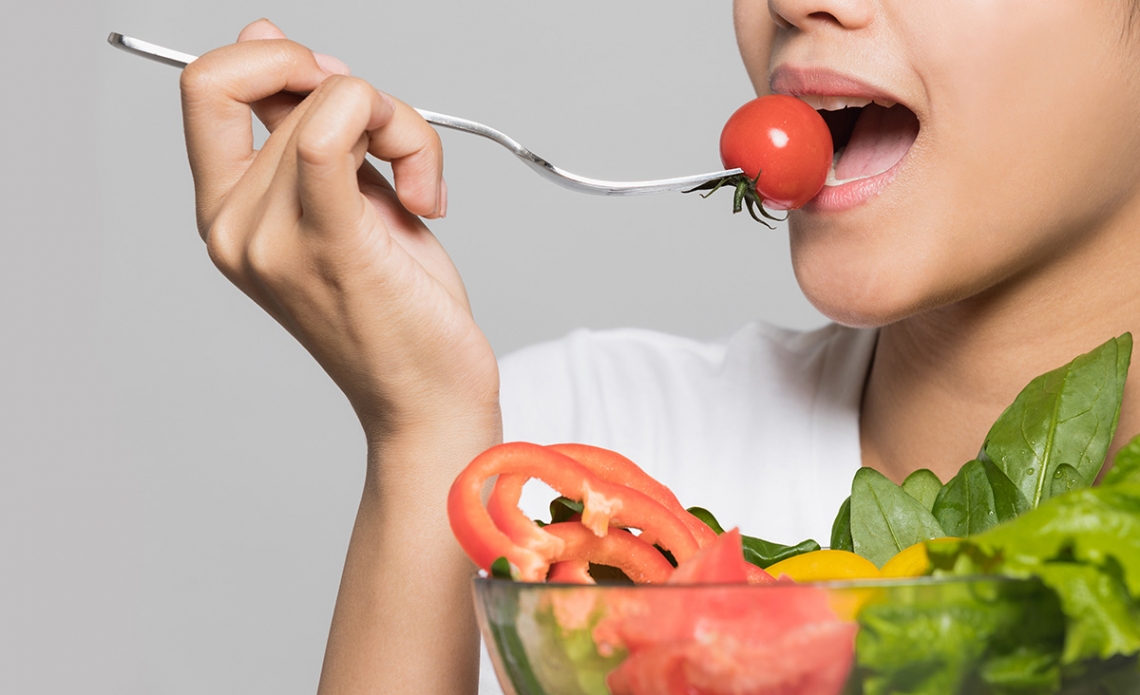
Take your time while eating and chew your food thoroughly to reduce the amount of air you swallow, which can contribute to bloating.
Stay Hydrated:
Drinking plenty of water helps flush out excess sodium and reduces water retention, which can lead to bloating.
Exercise Regularly:
Physical activity helps stimulate digestion and can alleviate bloating by encouraging the movement of food through your digestive system.

Making consistent lifestyle and dietary changes can improve digestion, reduce gas buildup, and support a healthier gut. Long-term habits such as staying hydrated, eating fiber-rich foods, managing stress, and maintaining a balanced diet can help prevent bloating over time.
A Natural Solution to Support Your Digestive Health
Introducing a simple yet powerful way to support your digestion and help reduce bloating: Future Salad. Packed with nutrient-rich greens like moringa leaves, spinach, and spirulina, this detox drink is designed to aid in maintaining regular bowel movements and stabilizing your digestive process, helping to reduce bloating naturally.

How Future Salad Can Help:
-
Encourages Bowel Movement: Many in our Future Salad community have experienced a natural "tummy movement" a few hours after taking Future Salad Detox, which can be part of a regular digestive routine. It also helps support regularity, a key part of a smooth digestive rhythm.”
- High Fiber Content (6g per pack): The fiber in Future Salad Detox promotes regular bowel movements and supports regularity, without the harsh chemicals.
-
All-Natural Ingredients: Future Salad features 15 whole fruits and vegetables freeze-dried into convenient daily tubes.
- Rich in Vitamins and Minerals: With over 30 essential nutrients, the vitamins and minerals from natural ingredients support overall gut health and contribute to a nutrient-rich diet.
Bloating doesn’t have to control your day. By understanding its causes and making simple, natural changes to your diet and habits, you can keep it at bay. Remember, staying hydrated, choosing the right foods, and maintaining a balanced routine all contribute to a more comfortable digestive system.
For a simple way to support your digestive health, Future Salad can be a convenient addition to your daily routine. Incorporating it into your routine provides a natural, fiber-packed boost that helps you add more fiber to your day, with minimal effort. Take charge of your digestive health and start feeling your best today!