

Your gut health plays an important role in your overall digestive wellness, and that includes colon health. Poor diet, lack of movement, and neglecting your digestive health are all linked to increased risk factors. The good news? Small, daily choices can make a meaningful difference. With the right foods and lifestyle changes, you can take a more active role in supporting your health. Let's dive into what affects your colon health, who should pay closer attention, and how you can stay informed.
Know Your Risk Factors
Your colon is one of the hardest-working organs in your body, responsible for nutrient absorption and daily waste elimination. While genetics play a role in long-term digestive vitality, daily lifestyle choices, especially dietary fiber and whole plant foods, have a profound impact on maintaining a healthy, resilient gut environment.
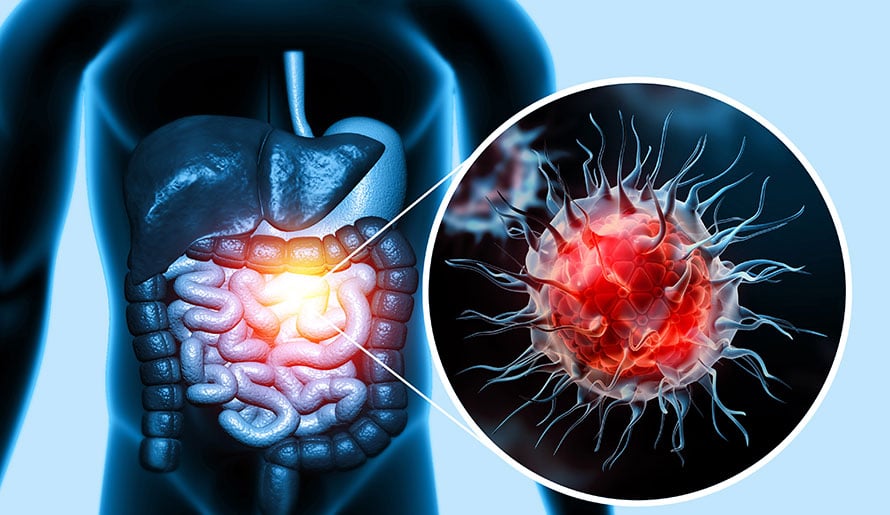
According to the World Health Organization, colon health can be influenced by a variety of everyday factors, and some people may want to pay closer attention than others:
- Adults over 50: Digestive efficiency and colon health can shift with age, particularly after 50.
- Gender: Both men and women can experience colon-related concerns, though patterns can differ between the two.
- People with a low-fiber, high-fat diet: Processed foods, red meats, and fried items are linked to poorer digestive outcomes.
- Those with a sedentary lifestyle: Physical inactivity slows digestion and weakens the gut.
- Background and genetics: Some populations may see certain digestive concerns more often than others.
- Family history: A family history of digestive issues may mean your colon health deserves closer attention.
- People with digestive sensitivities: Ongoing digestive discomfort or irregularity can be worth monitoring over time.
- Smoking and drinking alcohol: People who drink excessively and smoke regularly may see a greater impact on digestive health.
Signs Your Colon Health May Need Attention
Paying attention to your body early can make a real difference. Some signs to watch out for include:
- Persistent changes in bowel habits (diarrhea, constipation, or narrowing of stools)
- Blood in the stool (which may appear dark or bright red)
- Unexplained weight loss
- Persistent abdominal discomfort (cramping, gas, or pain)
- A feeling that the bowel doesn't empty completely
- Fatigue or weakness
If you experience any of these symptoms for more than a few weeks, consult a healthcare provider. Staying attentive to your body matters.
How Your Diet Supports Colon Health
If you think you might be more at risk, it's important to make lifestyle changes, especially by staying active, managing stress, and getting enough sleep. But the first thing you can do right now is to rethink your diet, especially if you haven’t been mindful of it before.
Your gut health plays a major role in your overall digestive wellness. The key? A healthy, plant-based diet rich in premium vegetables, fruits, and whole foods that support digestion and overall well-being. Here's how you can change your diet:
1. Eat More Vegetables & Superfoods
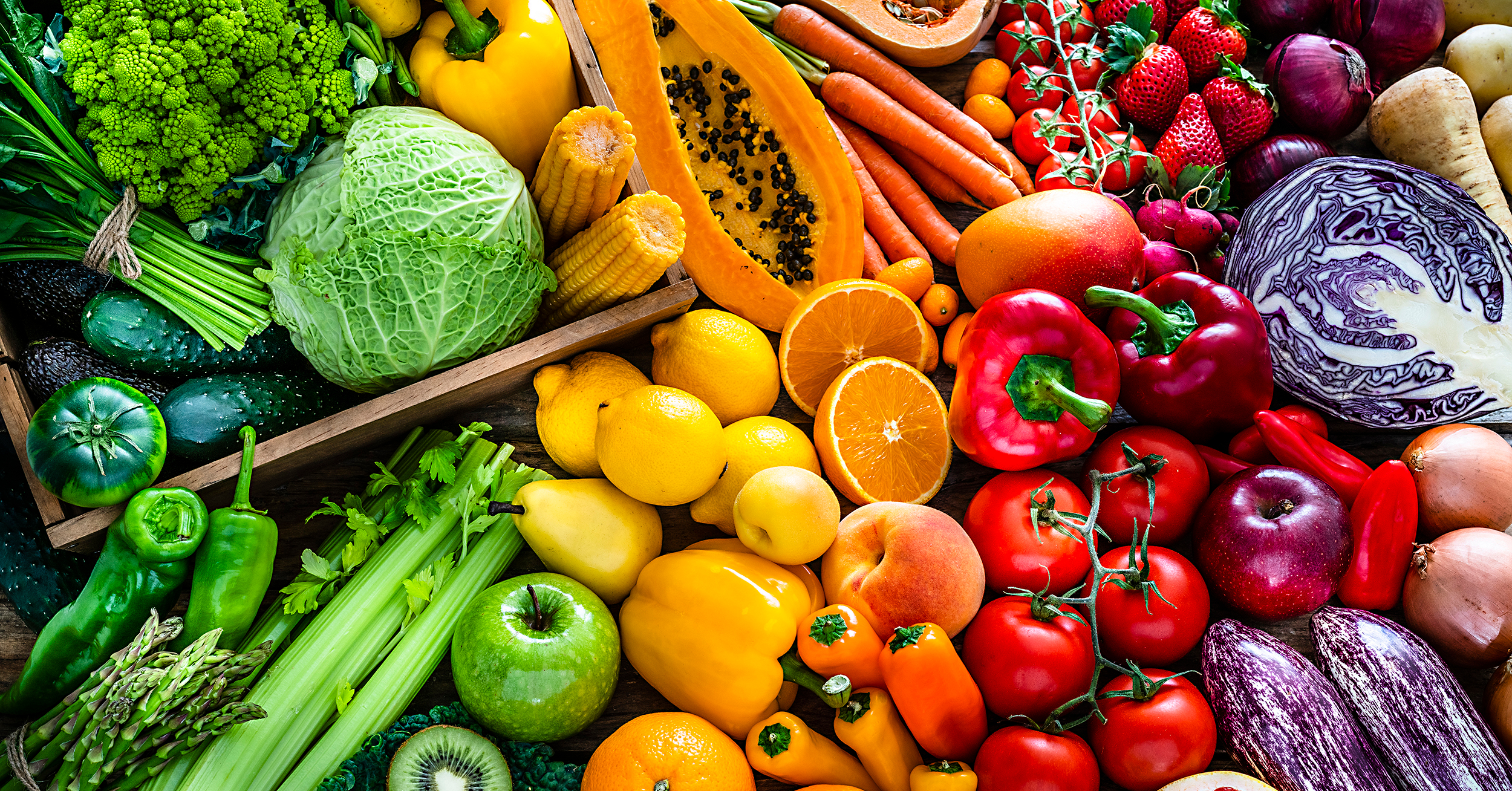
Vegetables contain antioxidants and plant compounds that support overall digestive wellness. Focus on:
- Cruciferous Vegetables – Broccoli, cauliflower, cabbage, and Brussels sprouts contain compounds that help detoxify carcinogens.
- Leafy Greens – Spinach and kale are rich in vitamins, minerals, and antioxidants that support cellular health.
- Moringa Leaves– Naturally rich in antioxidants and support overall gut wellness.
- Colorful Fruits – Apples, berries, oranges, and mangoes
- Garlic & onions– Known for their gut-cleansing benefits
2. Cut Down on Processed & Red Meat

Processed meats and excessive red meat consumption are linked to poorer digestive health. Swap them for:
- Plant-based proteins (tofu, tempeh, lentils)
-
Lean meats like fish or chicken (in moderation)
3. Stay Hydrated

Water aids digestion and supports daily regularity by keeping your digestive system running smoothly. Staying well-hydrated helps soften stool, making it easier to pass. You should aim to drink at least 8 glasses (about 2 liters or 64 ounces) of water per day to maintain proper hydration.
4. Support a Healthy Gut Microbiome
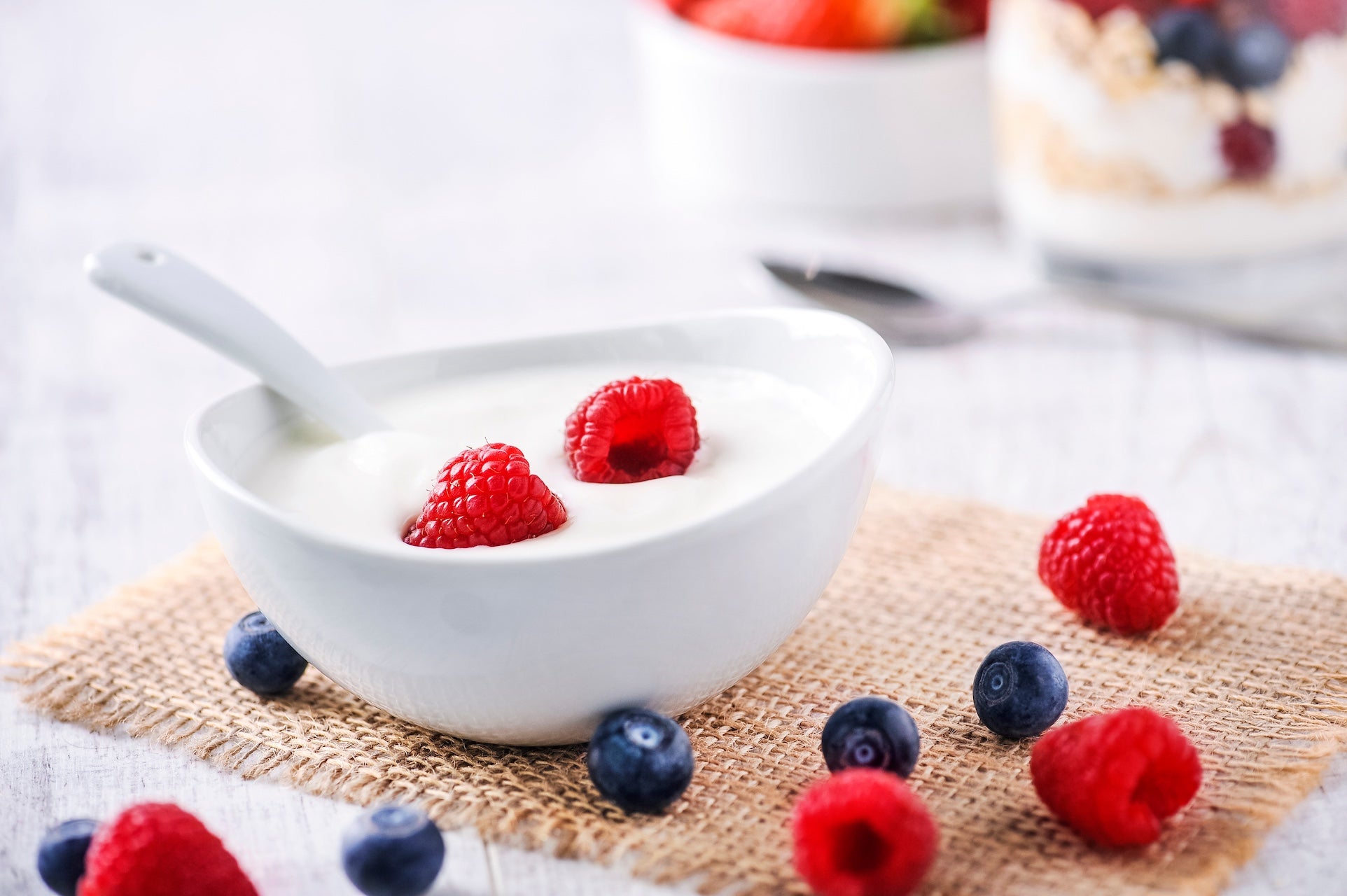
A balanced gut helps break down food properly and fights inflammation. Add:
- Yogurt (probiotic-rich)
- Fermented foods (kimchi, sauerkraut, miso)
- Kombucha (gut-friendly beverage)
What Your Bowel Movements Say About Your Colon Health
It’s only natural that bowel movements are a key indicator of colorectal health.
Why?
Think of your digestive system like a busy roadway; smooth flow is essential! When things slow down, toxins stay in your colon longer than they should. Regular bowel movements help flush out these toxins and keep your gut in balance. Here’s how to tell if your gut is healthy:
Signs of a Healthy Gut:
✔️ You go at least once a day
✔️ Your stool is soft and easy to pass
✔️ You rarely experience bloating or discomfort
How Future Salad Supports Gut Health
At Future Salad, we believe good digestion starts with the right nutrients. Our fiber-rich blend helps support regularity and keeps your gut feeling its best, making it easier to maintain a balanced, nourishing diet.

✅ Supports Regular Bowel Movements – Our customers often report feeling their bowel movements kick into gear almost immediately after taking Future Salad Detox without discomfort.
✅ High-Fiber Ingredients – Future Salad Detox is loaded with fiber to promote smooth digestion. Imagine eating five bowls of salads in one go!
✅ Moringa Power – Moringa leaves are naturally rich in antioxidants and support overall gut wellness.
✅ Natural & Plant-Based – No processed junk, no chemicals, just clean, premium 15 natural ingredients designed to fuel your body.
The next step?
Change your lifestyle. By choosing a plant-based, nutrient-rich diet, avoiding processed food, and adding Future Salad into your daily routine, you're giving your body the nutrition it needs to feel your best. Make it a habit to exercise for at least 30 minutes a day; go for a jog, take a walk with your dog, or simply move more.
Just a few small changes can make a big impact now. You're taking steps to support your overall well-being, one habit at a time.