

Chronic disease isn’t waiting until you’re 60 anymore.
We used to view heart disease and cancer as "end-of-the-road" diagnoses or the inevitable tax of old age. But the data shows the timeline is shifting. Conditions that once defined the geriatric ward are now showing up in our 30s and 40s. The common denominator isn’t just genetics or luck. It is a quiet, systemic breakdown driven by the invisible fiber gap sitting right on your plate.
The rise of early-onset illness is a reflection of a modern diet that has weakened our internal defense systems. Decades of research are finally connecting the dots between gut health and many of the chronic diseases we once thought were unavoidable. If you have been waiting for a sign to take your longevity seriously, the evidence suggests that the best time to start is your very next meal.
A Modern Generation Growing Sicker, Earlier

According to recent epidemiological research, colorectal cancer is increasing worldwide among individuals under 50, alongside a broader rise in cancers affecting younger populations.
So why is this happening more prevalently today? Several factors in modern life are contributing to this trend:
- Diet patterns: Increased consumption of ultra-processed and low-fiber foods
- Lifestyle changes: More sedentary routines and less time for balanced meals
- Modern convenience: Greater reliance on fast food and ready-to-eat options
- Food environment: Limited access to fresh, whole foods for some populations
The World Health Organization notes that unhealthy diets are one of the major modifiable risk factors driving the global epidemic of non-communicable diseases, alongside tobacco use, physical inactivity, chronic stress, and harmful alcohol use. Within poor diets, research singles out one critical deficiency:
Fiber.
Most people are aware they should eat more vegetables, fruits, and whole foods. What they may not realize is how significant that shortfall is, and what it is quietly doing to their health over time, including increasing the risk of chronic diseases.
The Role of Dietary Fiber in Chronic Diseases
The research connecting low fiber intake to chronic disease is extensive and covers a wide range of conditions. Below is a breakdown by category, based on peer-reviewed studies and meta-analyses.
Cancer-Related Conditions
Most cancers develop over years of accumulated damage, not overnight. Chronic inflammation, hormone imbalance, and prolonged exposure to harmful compounds in the gut all play a role, especially when fiber intake is consistently low.
Colon Cancer
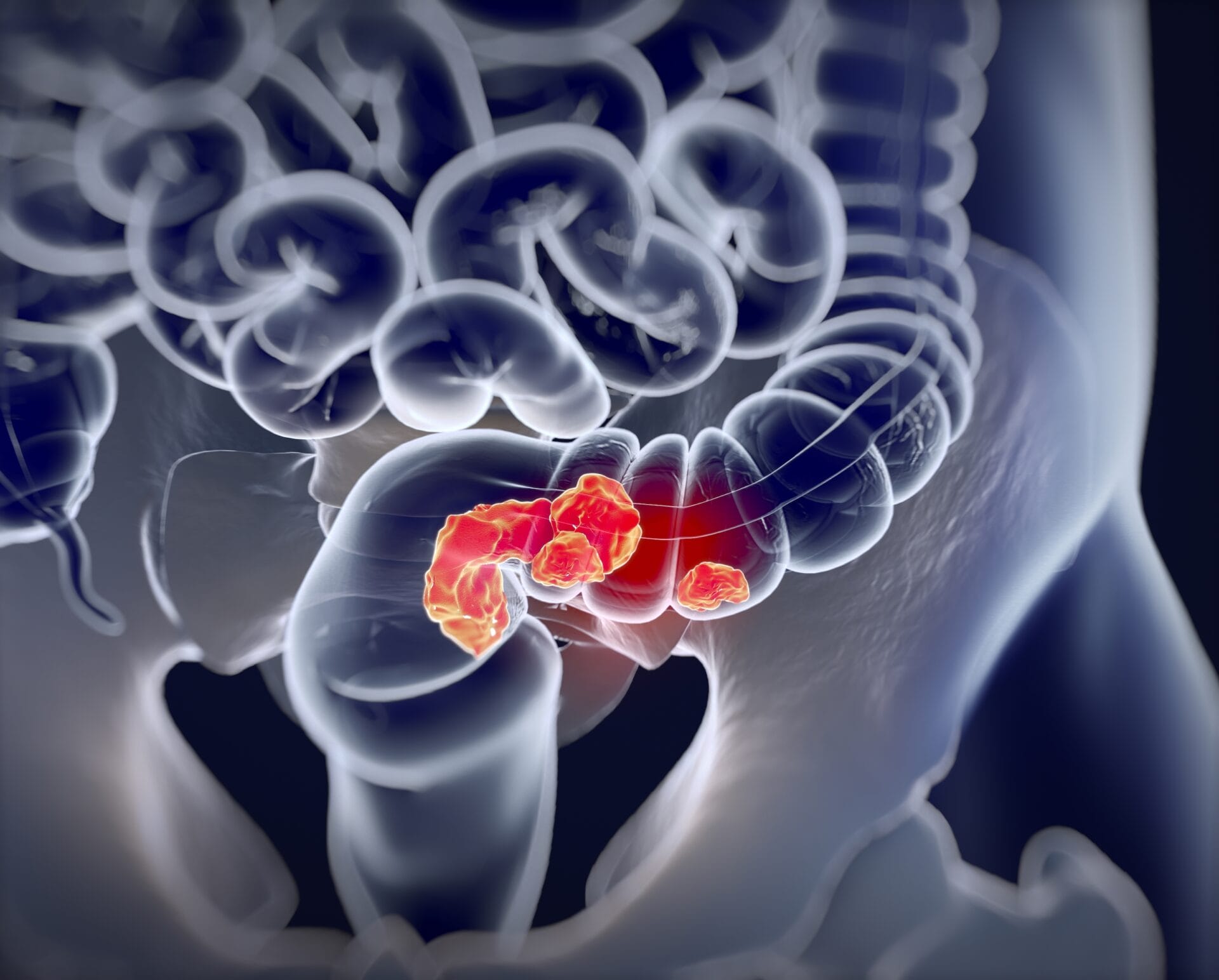
Diet patterns high in fiber are associated with up to 30 to 35% reduced risk for high whole grain/cereal fiber intake.
→ When fiber is present, waste moves more efficiently in the colon, helping limit how long harmful substances stay in the gut.
Stomach Cancer
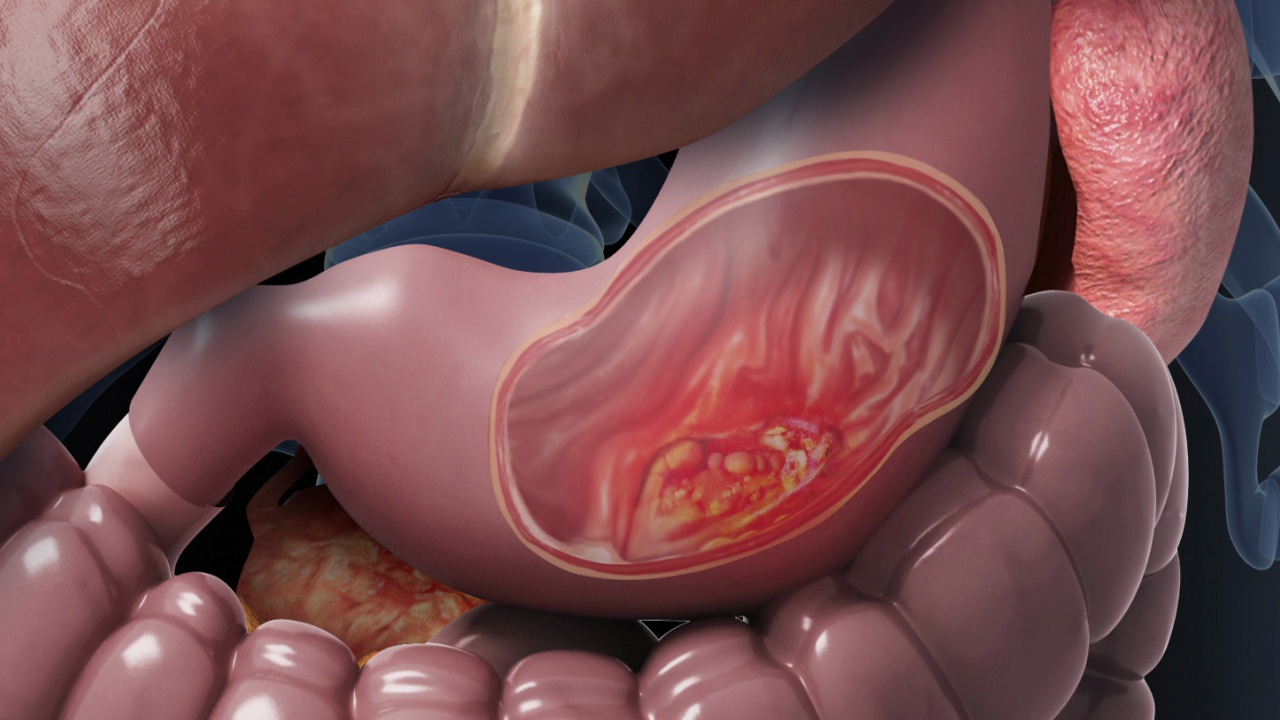
Stronger dietary patterns that include fiber-rich foods show a significantly lower risk across studies.
→ A healthier gut environment is supported by fiber, which helps protect the stomach lining from long-term damage.
Pancreatic Cancer
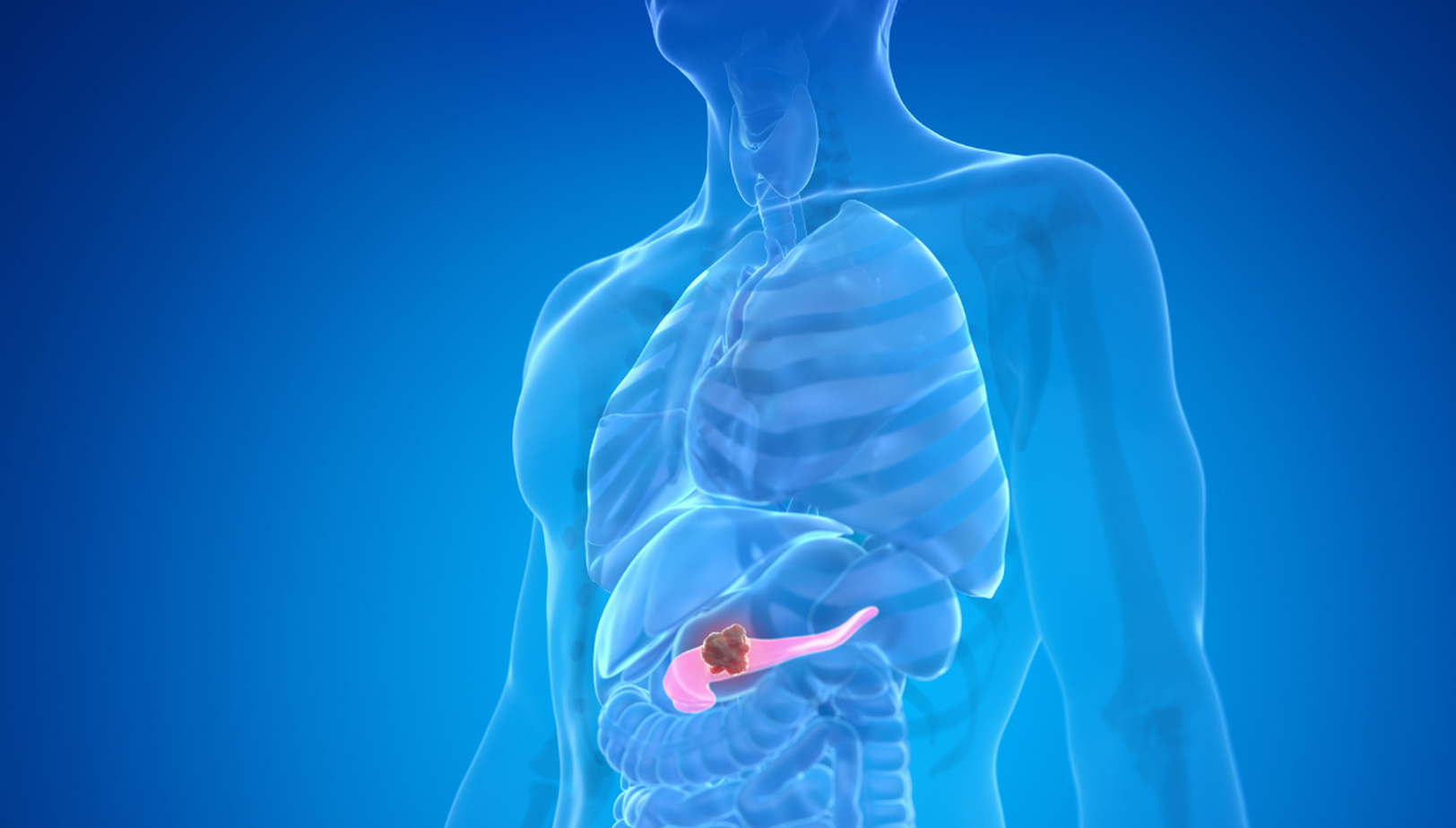
Some research shows around 60% lower risk in women with fiber-rich diets.
→ Blood sugar levels stay more stable with fiber intake, reducing stress on the pancreas over time.
Endometrial Cancer

Fiber supports hormone balance, which is linked to up to 30% lower risk.
→ Fiber helps the body eliminate excess estrogen, supporting hormone balance, which may play a role in maintaining reproductive health.
Breast Cancer

Around 10 to 12% lower risk with a predominantly fiber-rich diet, particularly in postmenopausal women.
→ Fiber helps create a more balanced internal environment by supporting hormone regulation.
Metabolic & Heart Health
The health of your blood vessels is shaped by years of exposure to cholesterol levels, inflammation, and metabolic stress, which are all linked to the development of chronic diseases. Diet plays a central role in either protecting or damaging this system over time.
Cardiovascular Disease

Diets that include adequate fiber are linked to up to 15 to 30% lower risk.
→ Cholesterol levels improve with fiber intake, which helps reduce chronic strain on the heart and supports healthier blood vessels.
Stroke
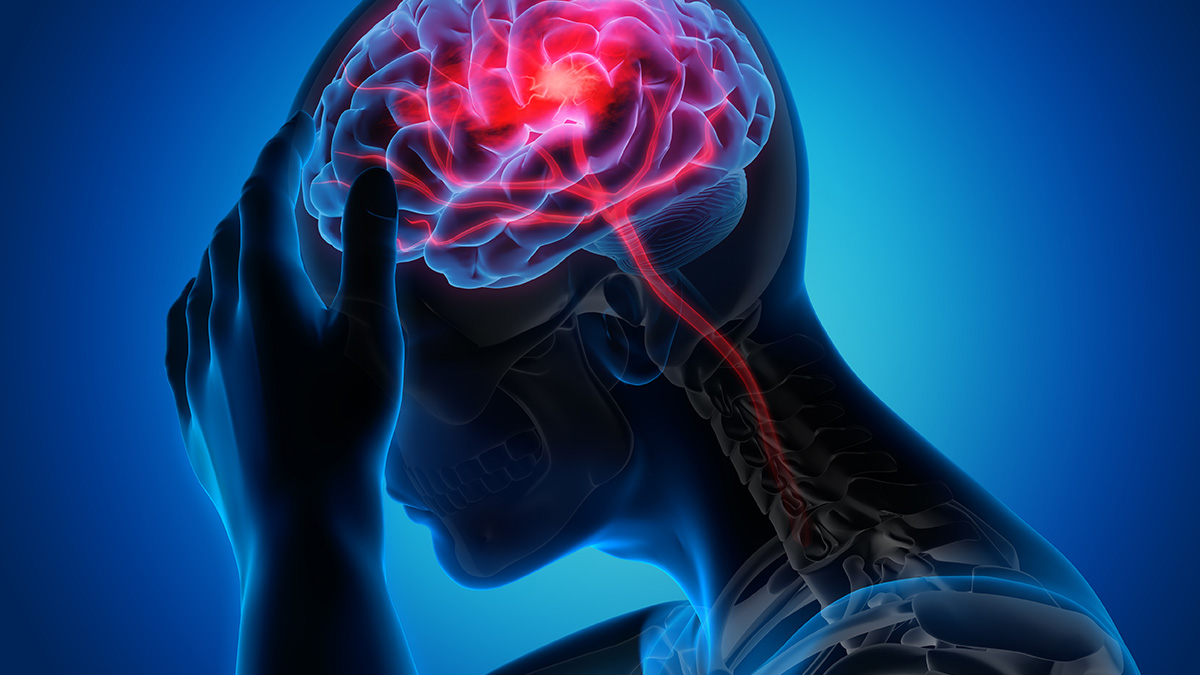
A long-term healthy diet filled with vegetables and fruits that are rich in fiber is associated with about 12% reduced stroke risk.
→ Fiber supports better blood flow and keeps blood vessels healthier, helping reduce chronic strain on the cardiovascular system.
Type 2 Diabetes
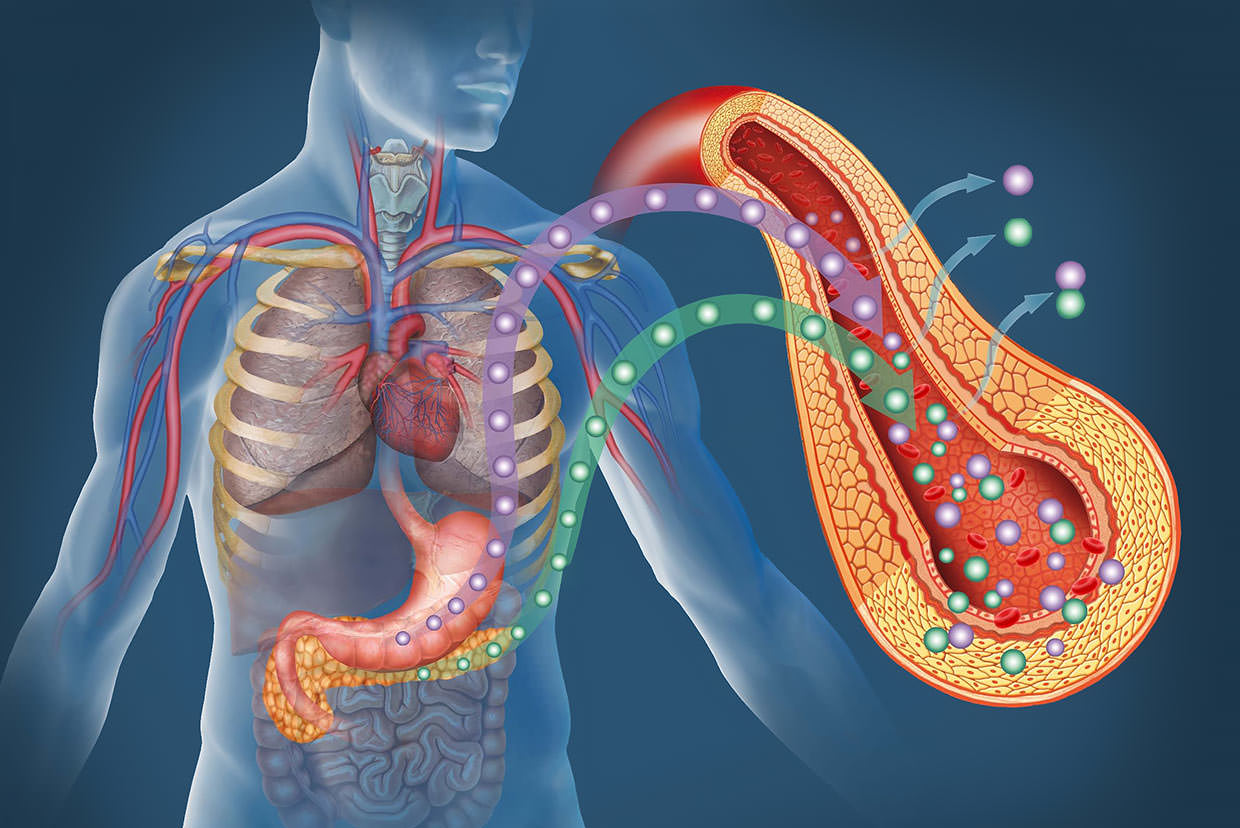
Consistent intake of fiber-rich foods is associated with a lower risk in large population studies.
→ Fiber slows the absorption of sugar into the bloodstream, helping maintain more stable blood glucose levels.
Obesity
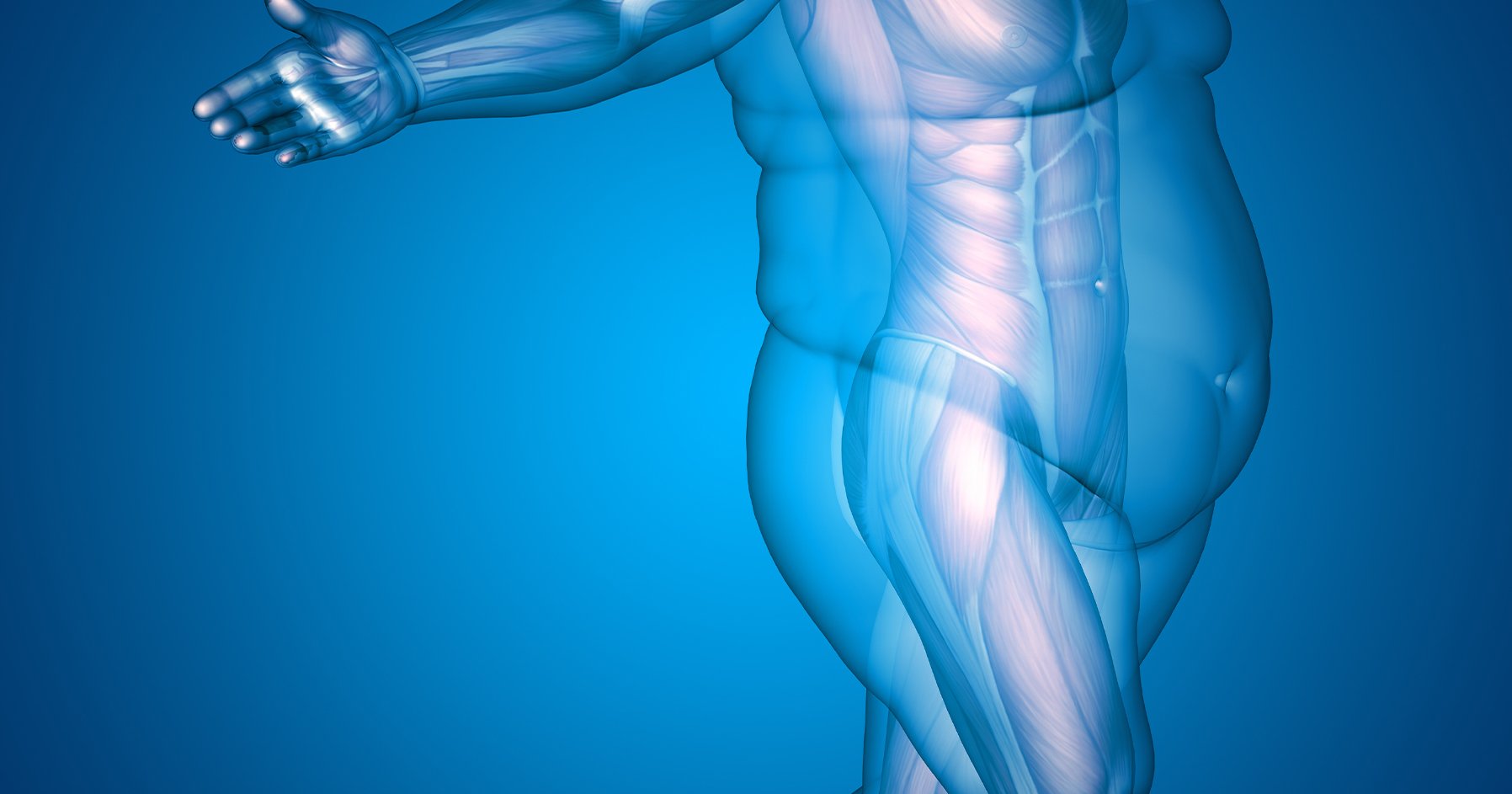
High fiber foods are linked to better weight regulation and lower inflammation.
→ Appetite is better controlled with fiber, helping you feel full longer, manage cravings, and reduce overeating.
Hypertension
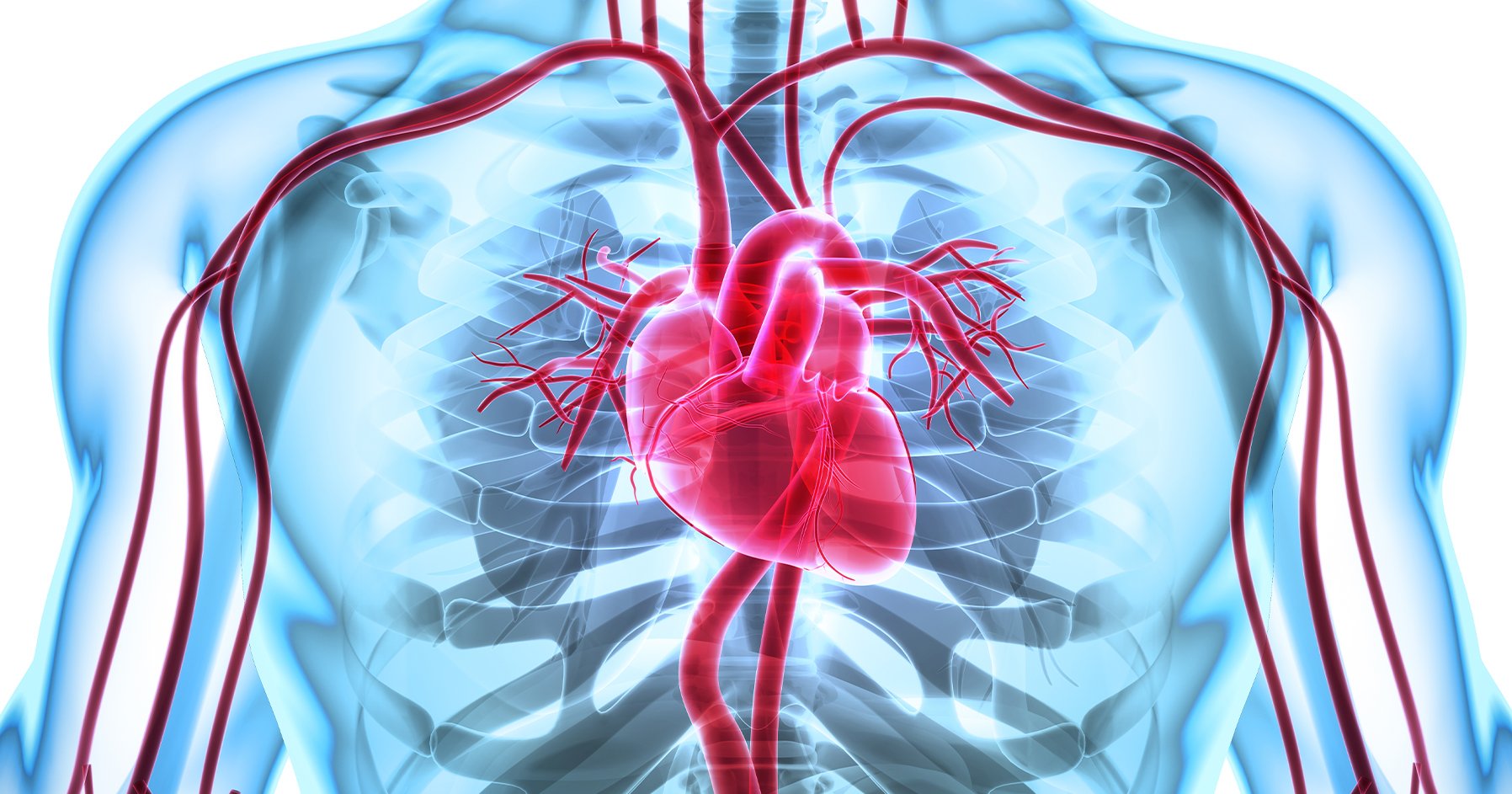
Consistently better dietary habits rich in high fiber foods are linked to lower blood pressure across populations.
→ Blood pressure benefits from fiber’s role in supporting vascular health and overall circulation.
Nonalcoholic Fatty Liver Disease (NAFLD)
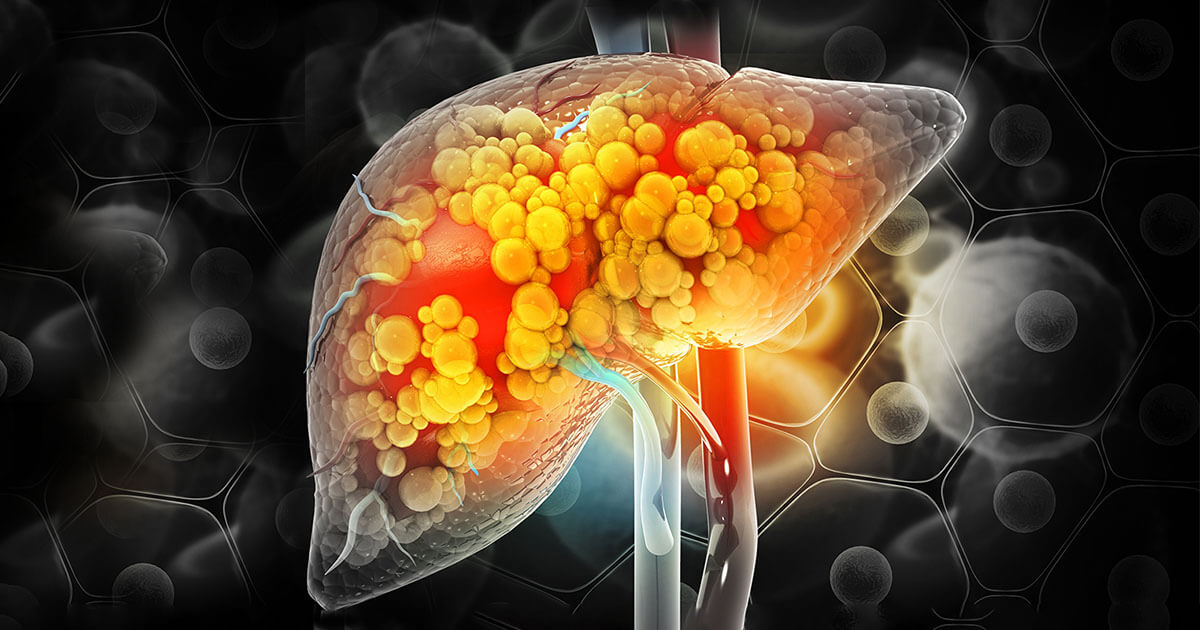
Whole-food dietary patterns show lower odds of fat accumulation in the liver.
→ Metabolic dysfunction is one of the main drivers of NAFLD, and fiber helps support healthier metabolism by contributing to better energy balance and improved insulin response.
Whole-Body Health Conditions
These conditions may seem unrelated to your diet at first. Still, they are strongly influenced by systemic inflammation and overall metabolic health, both of which are shaped by long-term eating patterns and play a role in the development of chronic diseases.
Chronic Kidney Disease
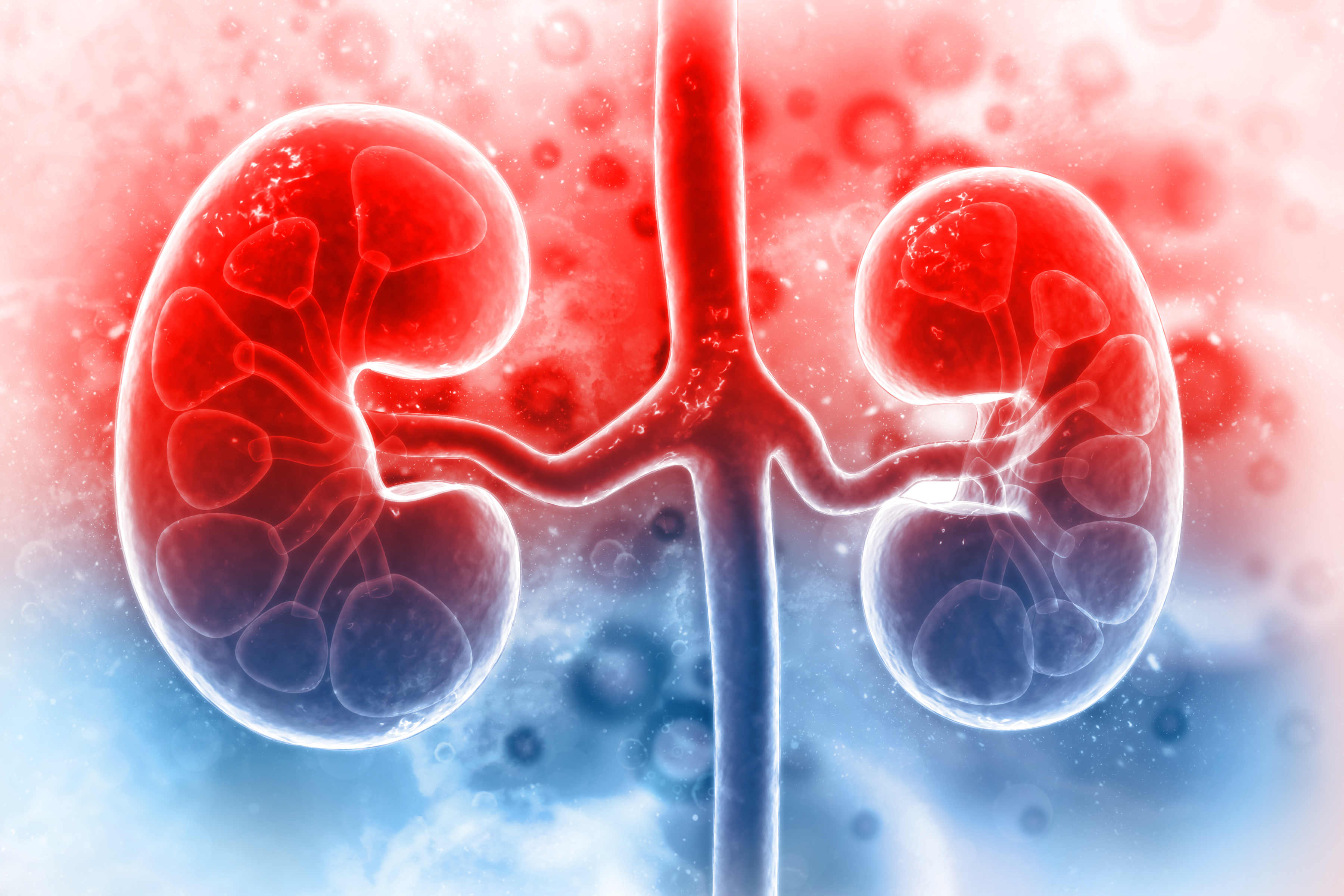
A diet with high fiber intake is associated with better kidney outcomes.
→ The body produces and accumulates fewer toxins when fiber supports digestion, which helps reduce strain on the kidneys.
Alzheimer’s Disease (Dementia)
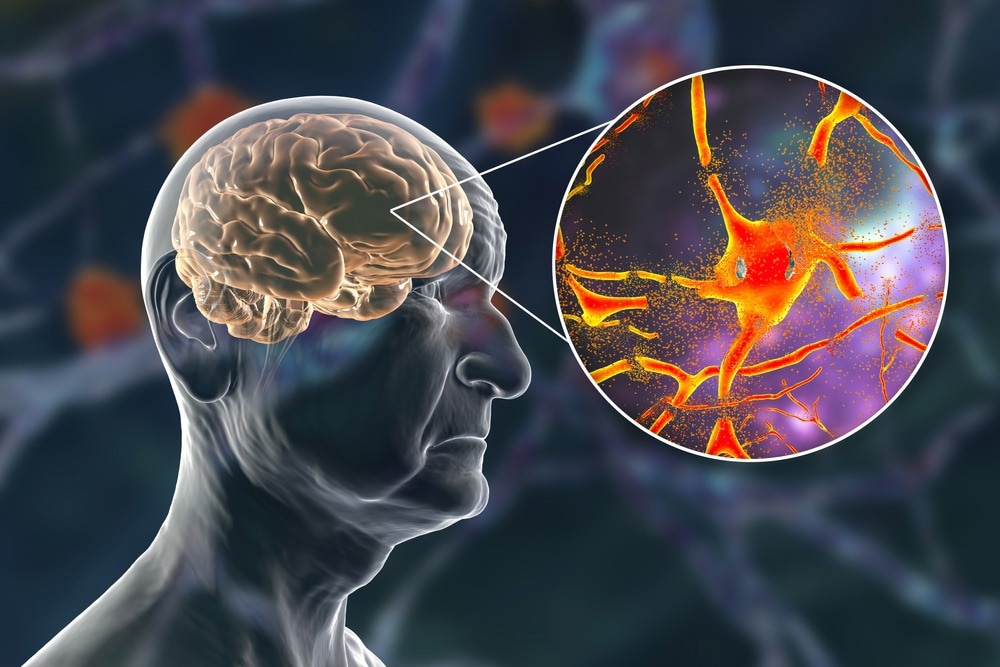
Fiber-rich diets are linked to better cognitive performance in aging populations.
→ Fiber supports brain health through the gut-brain axis, where improved gut health and reduced inflammation may support resilience to chronic stress, contributing to better cognitive function, clarity, and a more stable mood.
Chronic Obstructive Pulmonary Disease (COPD)
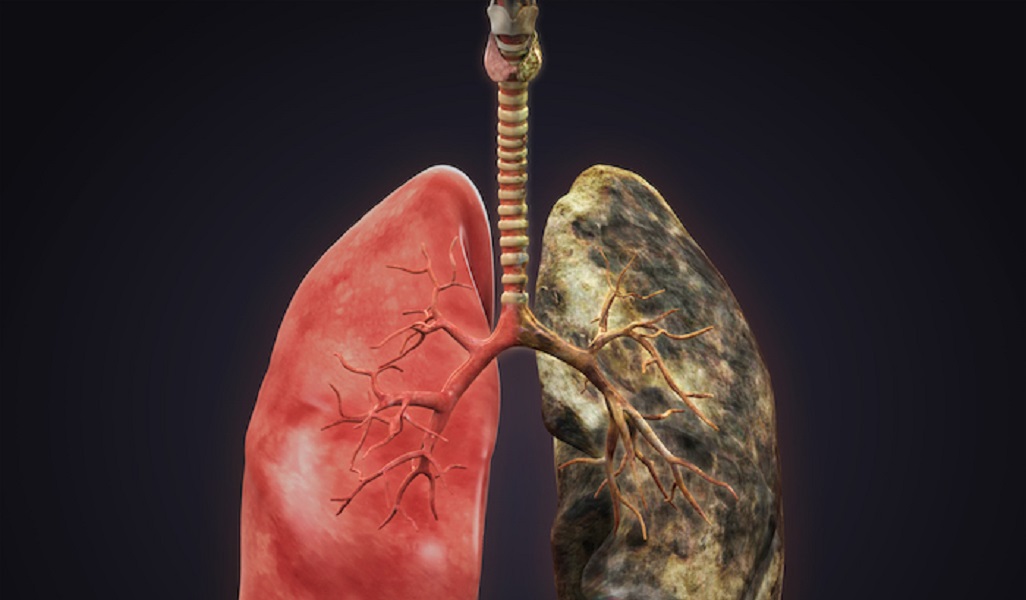
Long-term dietary patterns that are focused on vegetables, fruits, and whole foods are associated with a lower risk, even among smokers.
→ Consistent fiber intake may help reduce systemic inflammation, which is linked to better lung health and function over time.
The Four Important Truths About Your Gut

Looking at the list above, it might seem surprising that one key factor in your diet can be linked to so many different conditions. The reason is that all of these diseases share something in common: chronic inflammation, poor metabolic function, and a weakened internal defense system. And one of the primary places where all three of those things are regulated is the gut.
-
Gut Health Drives Balance: The gut is home to trillions of microorganisms that make up the gut microbiome. Gut health plays a central role in regulating inflammation, metabolism, and overall internal stability.
-
Fiber Feeds the System: Dietary fiber fuels beneficial gut bacteria and helps maintain a balanced microbiome.
-
Low Fiber Disrupts Function: Consistently low fiber intake can shift the gut environment, increasing inflammation and reducing metabolic efficiency.
- Gut Health Shapes Long-Term Health: Because the gut influences nearly every internal process, supporting it through fiber is linked across research to better overall health and longevity.
Understanding how the gut works naturally leads to one important question: how much fiber is actually needed to support it effectively?
How Much Fiber Do You Actually Need to Make a Difference?
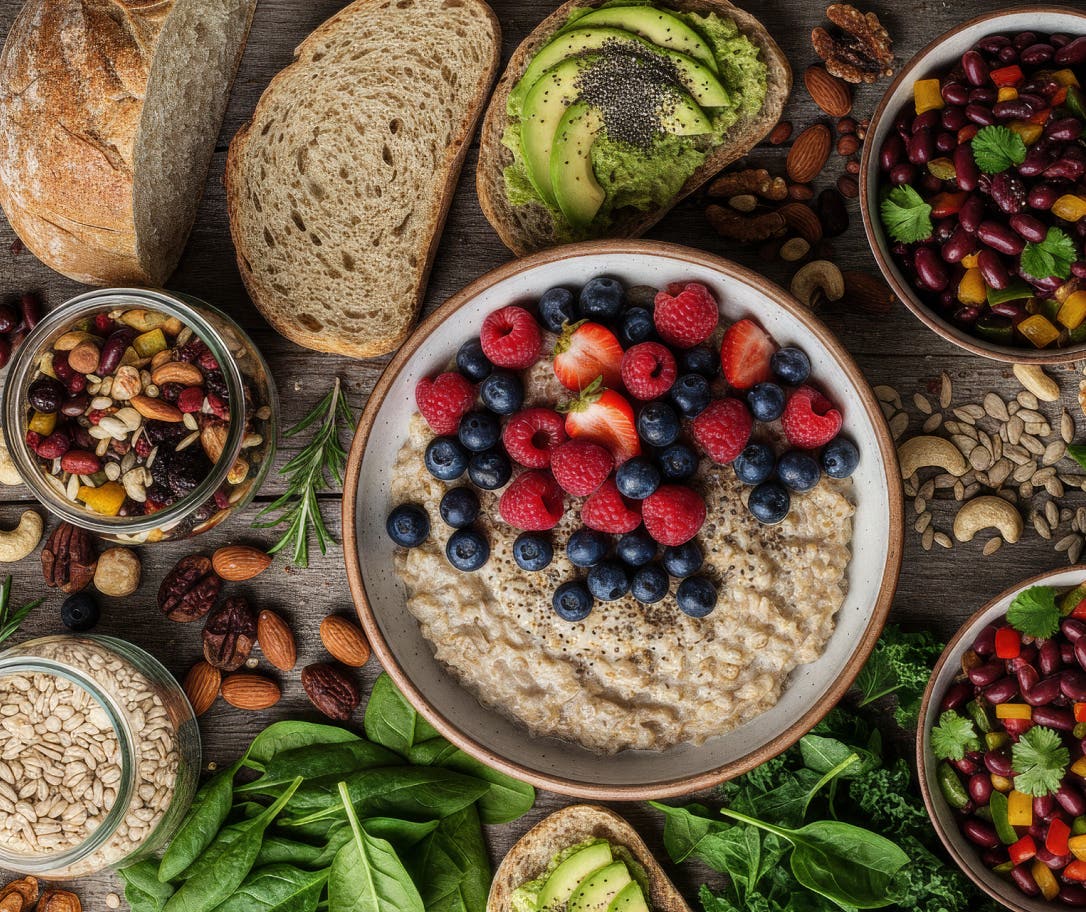
According to Harvard Health, the average American consumes only 10 to 15 grams of fiber per day, while the recommended amount for women is about 25 to 28 grams and for men about 31 to 34 grams. This gap might not seem like much, but over months and years, it becomes one of the most consequential differences in your diet, including its impact on the risk of chronic diseases.
The good news is that the research is not asking for perfection. It simply rewards consistency. Even getting from 10 grams to 20 grams a day carries real protective value, and small daily habits are the easiest way to get there.
A few simple ways to start:
- Swap white rice or bread for whole-grain versions. Same meal, significantly more fiber.
- Add chia seeds to your drinks. One tablespoon packs around 4 grams of fiber with zero effort.
- Snack on a small handful of almonds or pistachios. They contain around 3 grams of fiber and take no preparation at all.
- Start with food you already enjoy. A smoothie with your favorite fruit or a salad with greens you actually like is enough. Building the habit matters more than building the perfect plate.
- Add a daily natural fiber drink to your routine. It is one of the most consistent ways to bridge the gap, especially on days when your diet falls short.
Most people understand that they should eat more vegetables and whole foods. The challenge is consistency. Modern eating habits, busy schedules, and today’s food environment make it genuinely difficult to meet daily fiber needs through diet alone.
Future Salad: Bridging The Gap For Your Gut Health

Future Salad was created to help bridge the gap between ideal fiber intake and real-life eating patterns. Rather than positioning itself as a cure or treatment for any condition, its purpose is to help individuals stay more consistent with their fiber intake, supporting a more balanced internal foundation that aligns with long-term health goals and overall wellness, including factors linked to chronic diseases.
Here is why starting a daily fiber routine early matters:
1. Supports Gut Health and Daily Fiber Intake
Future Salad Detox Drink Mix is designed to work with your body’s internal systems by helping maintain balance where it matters most.
- Provides up to 6g of fiber per pack to help close the daily fiber gap.
- Supports regular digestion and helps reduce bloating and constipation.
- Helps promote better metabolic balance by supporting blood sugar regulation and gut health.
2. Brings Together Functional Superfoods in One
Future Salad Detox Drink Mix is not just about adding greens, but choosing the right ones that offer real functional benefits.
- Made with 12 nutrient-dense superfoods including moringa leaves, spirulina, wheatgrass, and more.
- Delivers 30+ essential nutrients sourced from natural ingredients.
- No artificial additives or unnecessary chemicals, keeping everything as close to whole as possible.
3. Simplifies Healthy Habits for Everyday Life
Healthy habits should be easy to maintain, not complicated. Future Salad Detox Drink Mix is designed as your daily, drinkable salad.
- No chopping, prepping, or planning required.
- Just mix with water, shake, and it’s ready to go wherever your day takes you.
If you have been meaning to pay more attention to your gut health and your diet, Future Salad is a straightforward place to start. Not because it solves everything, but because it addresses something real, something backed by substantial evidence, and something most people are genuinely not getting enough of.
The Best Time to Start Is Now
The rise of chronic disease in younger populations is not inevitable. Much of what drives these conditions, poor diet, low fiber intake, and chronic inflammation, is something we can influence through daily choices. The research is clear that fiber plays a significant protective role across a wide range of diseases, from several types of cancer to heart disease, diabetes, and beyond.
That does not mean a high-fiber diet guarantees you will never get sick. But it does mean that prioritizing gut health and adequate fiber intake is one of the most evidence-supported things a person can do for their long-term health. And the earlier you start, the better positioned your body will be.
Your daily choices build slowly and steadily toward the kind of health you will either be grateful for or wish you had paid more attention to. Fiber is one of the simplest and most well-researched places to begin.
The data says you need more fiber. Future Salad makes sure you actually get it. 🥗