

What if a major predictor of your future health isn't your genetics, but your muscle and strength?
We are taught that longevity is built on standard habits: managing weight, eating well, and sleeping enough. Yet one of the most critical factors in healthy aging is consistently left out of the conversation: muscle.
True muscle health has nothing to do with six-pack abs or athletic performance. It is about the physical tissue that keeps you upright, regulates your metabolism, and allows you to move through life with independence. Right now, muscle is quietly protecting your health, but you might be losing it without knowing it.
The Invisible Loss: What Is Happening to Your Body After 30

Beyond keeping you functional at the squat rack, healthy muscle supports your body in ways you probably take for granted every day. It helps regulate blood sugar, supports energy metabolism, maintains your balance and coordination, and plays a key role in recovering from illness or injury. It is also one of the biggest factors in how independent and mobile you remain as you get older.
Here is the part that tends to surprise people:
- It begins in your 30s: Muscle loss often starts earlier than most people expect, and it can happen without any noticeable symptoms.
- You might lose 3 to 5 percent per decade:After age 30, muscle mass quietly declines every ten years, even in otherwise healthy adults.
- After 60, the loss often accelerates:The rate can jump to roughly 1 to 2 percent per year, making the later decades the most critical window.
- By 80, up to 30 percent can be gone: Some people reach their eighties having lost nearly a third of the muscle mass they had in their prime.
- Your grip strength can predict your longevity:According to a study, grip strength is a reliable marker of overall health and its connection to mortality risk.
Most people think of muscle loss as a physical problem. Something that makes you weaker, slower, less able to do the things you used to do. And while that is true, it is only part of the picture.
When Muscle Declines, Everything Else Follows
Muscle mass is one of the most telling biological signals of how well your entire body is functioning. It is not just about what you can lift or how far you can walk. Low muscle mass and low strength show up in the data as warning signs for some of the most serious health outcomes we face as we age.
Research consistently links declining muscle mass and strength:
1. Your Heart and Metabolic Health Take a Hit

Low muscle mass has been linked to poorer insulin sensitivity, higher type 2 diabetes risk, and worse cardiovascular outcomes. This is partly because skeletal muscle plays a major role in glucose uptake and blood sugar regulation. When muscle mass declines, the body's ability to efficiently manage glucose may also decrease, potentially affecting overall metabolic health.
2. Recovery From Illness and Injury Slows Down

Muscle acts as a reserve that helps the body cope with physical stress. Research has shown that older adults with poor muscle strength tend to experience worse outcomes during illness and recovery, including longer hospital stays and greater disability. In other words, maintaining strength may help improve resilience when the body faces health challenges.
3. Cognitive Decline Becomes More Likely

This one surprises many people. But growing research has found meaningful connections between muscle health and brain health. Studies have shown that lower muscle mass and weaker muscle strength are associated with cognitive impairment, cognitive decline, and dementia in older adults.
4. Your Risk of Falls and Fractures Rises Sharply

Because muscle supports balance, reaction time, and stability, declines in muscle are linked with a higher risk of falls and fractures in older adults. Even modest losses in strength may make everyday movements like walking, standing up, or reacting to slips feel less stable. Over time, this can contribute to reduced mobility and make daily activities more challenging.
5. Overall Mortality Risk Increases

Low muscle mass and lower levels of muscular strength have been independently associated with a higher risk of early death, even after accounting for other health factors. Strength is not just a fitness metric. It is increasingly recognized as a marker of healthy aging and longevity.
The point is not to be alarming. It is to make clear that muscle loss is not just an inconvenience of getting older. It is a signal worth paying attention to, and the earlier you pay attention, the more you can do about it.
How Modern Lifestyle Accelerates This Decline

Because modern life requires so little physical effort, we are triggering this muscle loss much earlier than generations before us. Here are the reasons why:
- Prolonged Sitting: Long hours of sitting and low daily movement can contribute to muscle loss over time.
- Processed, Low-Nutrient Diets: Diets high in ultra-processed foods may crowd out the protein and nutrients muscles need to stay strong.
- Skipping Resistance Training: Without resistance training, muscles get less of the stimulus they need to maintain size and strength.
- Chasing Scale Weight: Focusing only on the scale can lead people to lose muscle along with fat, which may weaken body composition.
What You Can Do About It
The obvious answers are regular movement, adequate protein, and resistance training. Most people already know this. And yet, a significant number of people who do all of those things still struggle to maintain muscle as they age. The question is why.
It turns out there is a third piece that almost nobody talks about, and it sits in a place most people would never think to look.
The Gut-Muscle Axis: How Your Microbiome Protects Physical Strength
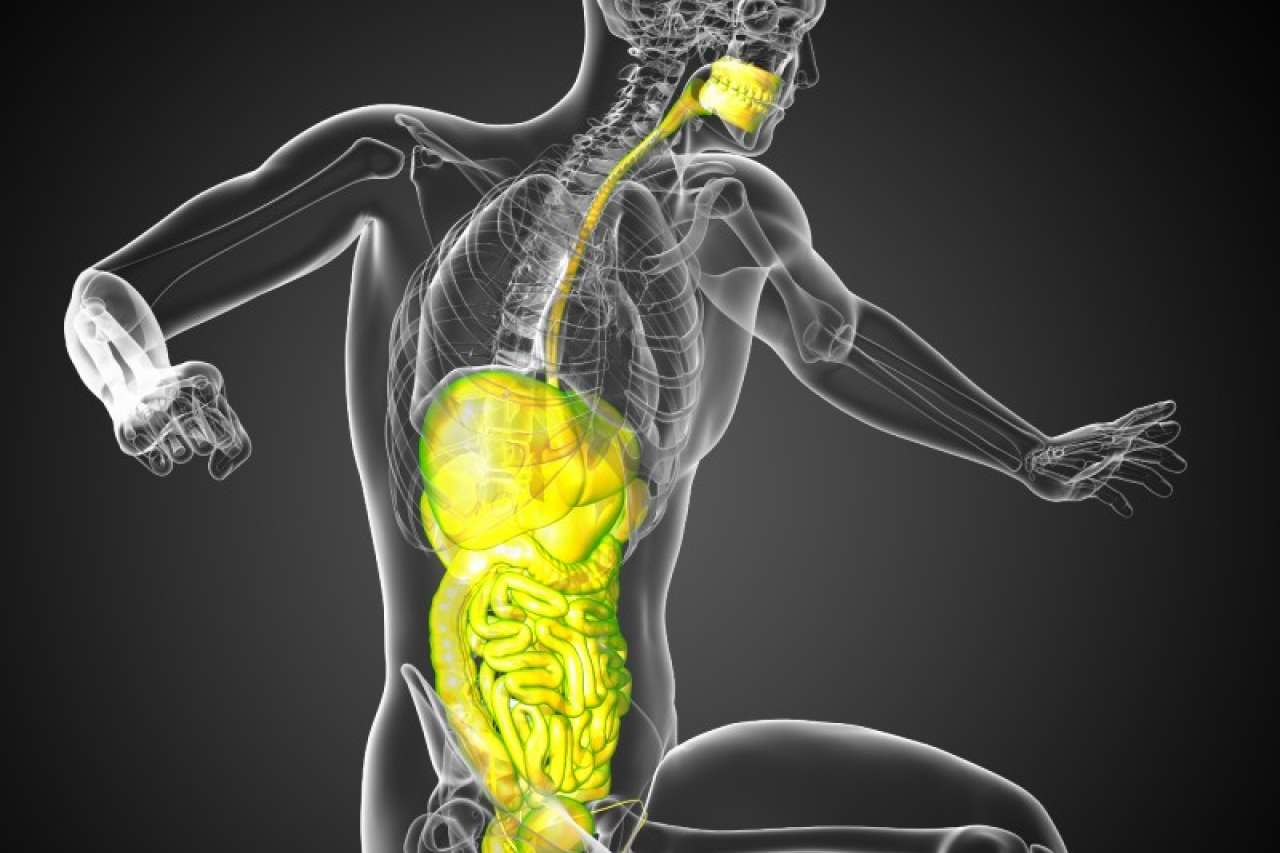
Science has identified what is called the Gut-Muscle Axis.
So What Does It Actually Mean?
It is a direct line of communication between your gut and your muscles. When you feed your gut the right plant fiber, your gut microbiome ferments it and produces compounds called short-chain fatty acids that travel through your bloodstream and directly influence inflammation, metabolism, and the biological pathways that determine how well your muscles function and age. What happens in your gut does not stay in your gut.
The True Reason Fiber Can Support Muscle Health
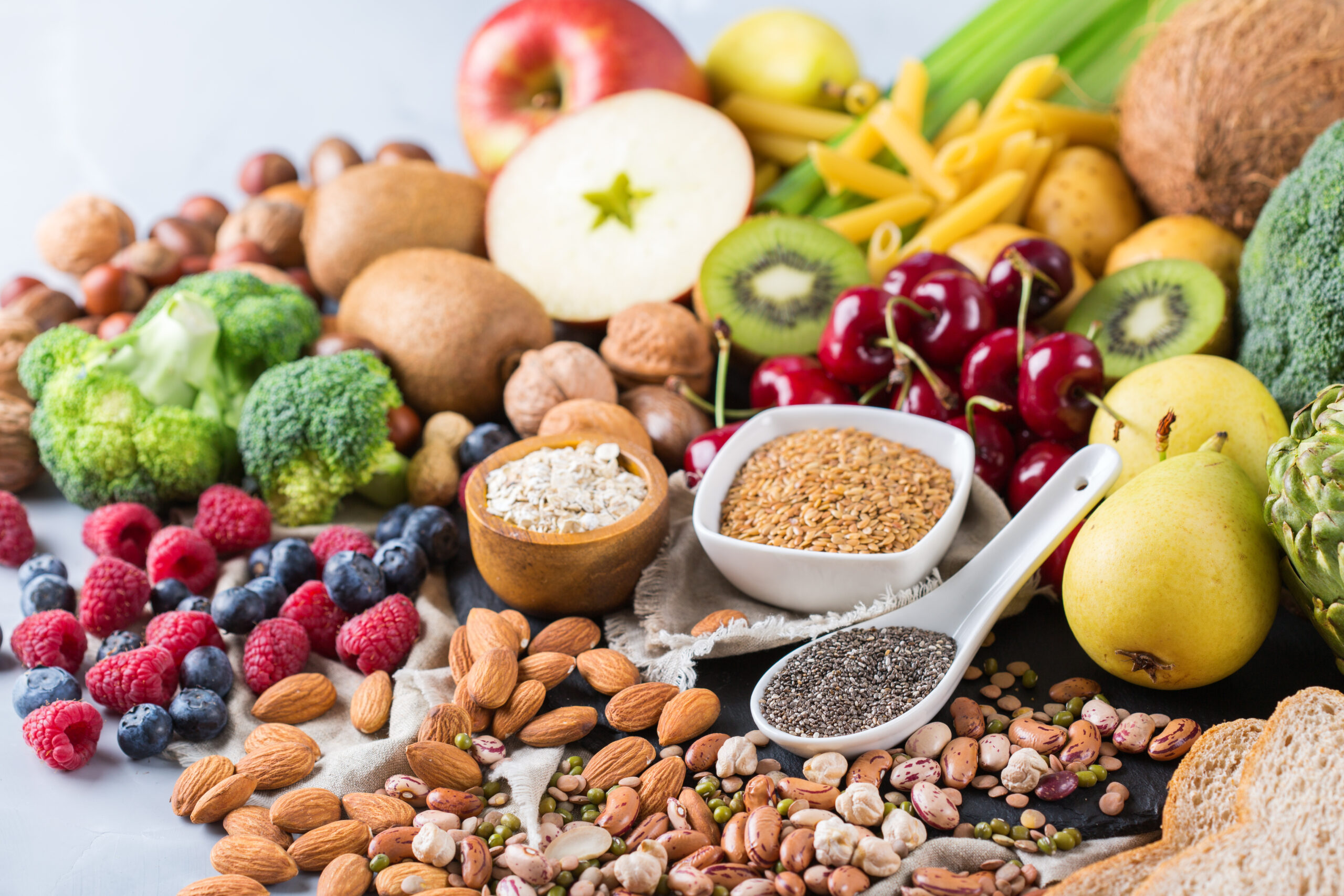
Most people assume fiber is just for regular bowel movements, but for anyone trying to maintain strength, it is actually the structural starting point.
When your diet is rich in fiber, three things happen that directly damage your muscles:
-
The Maintenance Advantage: Higher fiber intake has been associated with greater skeletal muscle mass and better muscle function in adults. While protein remains essential, these findings suggest that fiber may also play a role in supporting the strength and quality of muscle tissue over time.
-
The Inflammation Shield: With enough fiber to feed beneficial gut microbes, your intestinal lining stays healthier over time, which helps keep low-grade chronic systemic inflammation in check. That matters for muscle because lower inflammation supports better anabolic sensitivity, meaning your muscle cells remain more responsive to the protein you eat, making it easier for your body to repair and maintain muscle tissue.
- The Hidden Fuel Source: When gut bacteria break down fermentable fiber, they produce short-chain fatty acids that may support metabolic signaling and energy regulation in the body, including in muscle tissue. Emerging research suggests this pathway could play a role in muscle metabolism, recovery, and long-term muscle maintenance, particularly as we age.
Ultimately, your muscles are only as strong as the gut that supports them. You can optimize your workouts and increase your protein intake, but your body relies entirely on a healthy gut environment to properly maintain and protect that muscle mass over time. Real physical resilience starts at the source, by giving your microbiome the foundational support it needs to keep your system working at its best.
How Future Salad Supports the Foundation You’re Building

Most health products target one thing: protein for muscle, probiotics for gut, vitamins for energy. Future Salad was built on one core idea: a healthier gut can support a stronger, more resilient body. By supporting gut health through real plant fiber and diverse superfood ingredients, it supports the system that plays a role in how well your muscles are nourished, protected, and maintained over time.
Here is what it brings to your daily routine:
-
Gut Health First, Strength Starts Within:Future Salad Detox Drink Mix is built around one priority: your gut. It delivers up to 6 grams of fiber per serving, directly feeding the beneficial bacteria that support a balanced gut, aid nutrient absorption, and maintain the microbial environment your muscles and overall health depend on.
-
12 Superfoods, Not Just Fillers: Future Salad Detox Drink Mix draws from 15 all-natural superfood ingredients chosen for their impact on gut and microbiome health, like moringa leaves, spirulina, wheatgrass, and more. It is a diverse blend of plant-based ingredients that makes it simple to add more variety to your nutrition.
- Smoother Digestion, Less of What Slows You Down:Fiber keeps things moving, and Future Salad Detox Drink Mix makes that easy. Less bloating, better regularity, and a digestive system that runs the way it should, which is one of the clearest signs your gut is actually working in your favor.
-
30 Essential Nutrients Your Body Actually Needs: Going beyond protein, each serving of Future Salad Detox Drink Mix delivers a broad spectrum of nutrients including iron, potassium, magnesium, and vitamin C, adding nutritional variety to your daily intake.
- Built for Your Routine, Whatever That Looks Like:Future Salad fits wherever you need it. Take it as a pre or post-workout boost to support recovery, or blend it into your morning smoothie if you are a busy professional who needs gut and nutritional support without the extra effort.
Building Strength From the Inside Out
When it comes to aging well, muscle deserves far more attention than it gets. Strength is not just about athletic performance or appearance. It influences your mobility, your independence, your metabolic health, and your overall quality of life as the years go on.
At the same time, maintaining muscle is about more than exercise alone. Proper nutrition, digestive health, fiber intake, and sustainable daily habits all contribute to the bigger picture.
By prioritizing strength, supporting your gut, and building habits that last, you create a stronger foundation for a healthier future.
Feed your gut, protect your strength with Future Salad. 💪🏻