

Let’s talk about something we don’t think about enough when we poop. How much toilet paper do we use? How many rolls do you go through in a week? Think about the toilet paper we flush away each day. Consider the money spent on those rolls. Worse, consider how many trees are cut down to keep us clean.
We all do it. We all need to. There’s nothing more satisfying than a smooth bathroom experience. Pooping is often brushed under the rug. Or maybe it is flushed down it. Your pooping game could level up with a few simple tweaks.
It’s a bit mind-blowing, isn’t it? But here’s the good news. You can make a massive difference with simple changes to your bathroom routine.
How Much Toilet Paper Are We Using?
Let's put it into perspective: 27,000 trees are cut down daily for wiping. Each tree produces about 800 rolls. The average person uses 141 rolls annually. One tree only covers 5-6 people per year. That's a terrible deal for our forests!
The Great Toilet Paper Crisis
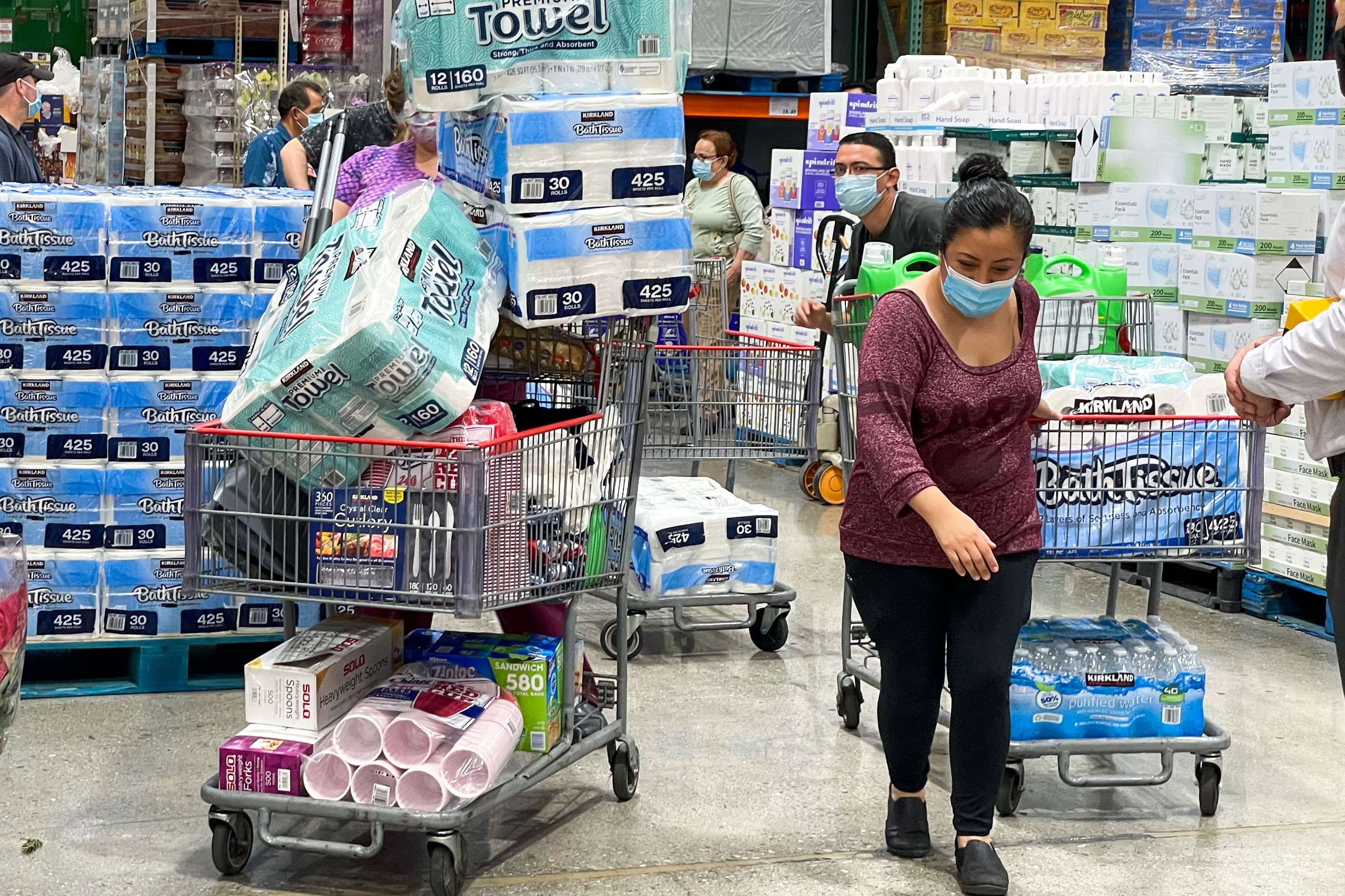
Remember the pandemic toilet paper panic? People weren’t just buying in bulk; they were fighting over rolls and even swiping them from public bathrooms. This wasn’t just a funny meme; it highlighted our over-reliance on toilet paper. After all, humans managed without it for thousands of years; maybe the real solution isn’t stockpiling, but using less.
How Your Bathroom Habits Affect the Planet
The environmental cost of your pooping routine is significant:
- Paper waste: Americans use 46.7 billion rolls of toilet paper yearly
- Water usage: Each flush uses 1.6-7 gallons, depending on your toilet type
- Chemical processing: Bleaching releases harmful chemicals into waterways
- Transportation: Moving toilet paper globally creates a substantial carbon footprint
What Are the Best Ways to Save Paper?
✅ Upgrade Your Diet – A fiber-rich diet creates the perfect exit strategy. This reduces cleanup needs.
✅ Use Water – Bidets leave you cleaner. They can reduce toilet paper use by 75%. Healthline highlighted how bidets cut down on toilet paper. Many people are now considering this alternative.
✅ Ditch Over-Wiping – If you wipe too much, your poop isn't making a clean departure.
While reducing toilet paper usage greatly helps fix the problem, there's more to consider. It's also important to evaluate your whole diet. Are you consuming too much processed food, or are you eating a healthy, balanced diet with plenty of greens? What you eat plays a significant role in how you can reduce waste and save the environment.
Which Type of "Pooper" Are You?
Not all poopers are created equal! Your toilet rituals depend on two main factors: tools and diet. Let's break down the four types:
TYPE 1: Toilet Paper User + Bad Diet – Relies on TP but uses a lot due to poor diet.
TYPE 2: Toilet Paper User + Good Diet – Uses TP efficiently thanks to a fiber-rich diet.
TYPE 3: Bidet User + Bad Diet – Needs more water per trip but stays cleaner.
TYPE 4: Bidet User + Good Diet – Consumes a high-fiber diet and uses minimal water.
We used data from Statista and Bidetconversions. The following table offers insight into cost, environmental impact, and hygiene.
| Factor | TP User (Bad Diet) | TP User (Good Diet) | Bidet User (Bad Diet) | Bidet User (Good Diet) |
| Usage Frequency | 10-20+ wipes per trip | 3-5 wipes per trip | More water used per trip | Minimal water used |
| Annual Cost | ~$182 - $250+ per person | ~$100 - $150 per person | ~$3 - $10 in water | ~$1 - $5 in water |
| Environmental Impact | High (more paper waste, deforestation) | Moderate (less TP production needed) | Moderate (higher water use, but still optimal) | Low (very minimal waste, eco-friendly) |
| Hygiene | Can still leave residue behind | Less wiping needed = cleaner feel | Thorough clean, but more water used | Best hygiene with minimal water used |
Final Verdict:
A good and healthy diet with high fiber not only saves money but also promotes eco-friendly habits. However, using water is the winner overall: less waste, better for the environment, fewer expenses, and a cleaner experience.
Eco-Friendly Pooping Techniques
What you eat and the tools you use matter. Another crucial factor connects these two: how you do your business. Your pooping technique affects how much paper or water you need. This has a direct environmental impact!
1. The Squatty Potty Stance

Your ancestors didn’t have toilets. They were onto something. Sitting at a 90-degree angle isn’t natural for pooping. Squatty Potty suggests adopting a squatting position. Elevating your feet with a stool helps straighten the rectum. It relaxes the puborectalis muscle. This allows for smoother and faster bowel movements.
A 2019 study supports this claim. It showed significant improvements for participants who used a toilet stool. Here are the key findings.
- 90% of participants reported less straining
- 71% experienced faster elimination
- A greater sense of complete evacuation
2. The "Breathe and Release" Method
Instead of straining:
- Take a deep belly breath
- Exhale slowly while relaxing your pelvic muscles
- Let gravity do its job
This relaxed approach minimizes unnecessary straining and promotes comfortable, complete elimination. Think of it as effortless pooping; less strain, better results!
3. The Morning Magic Hour
Your body loves routine. Visit the bathroom at the same time every morning. Drinking warm water after waking up helps kickstart the process. Pair that with a high-fiber meal. Try a smoothie with chia seeds or Future Salad. Your gut will thank you.
By eliminating properly, you reduce the need for excessive wiping and multiple flushes. These techniques might be small adjustments, but they can have a big impact on a healthier planet. It's a win for both your body and the environment.
We covered how you poop and what you use. Now we address what goes in. No poop without food, right? Food choices don’t always align with the planet. Some make the process greener. The unsung hero is Fiber.
High-Fiber Diet: The Secret to Perfect Poop
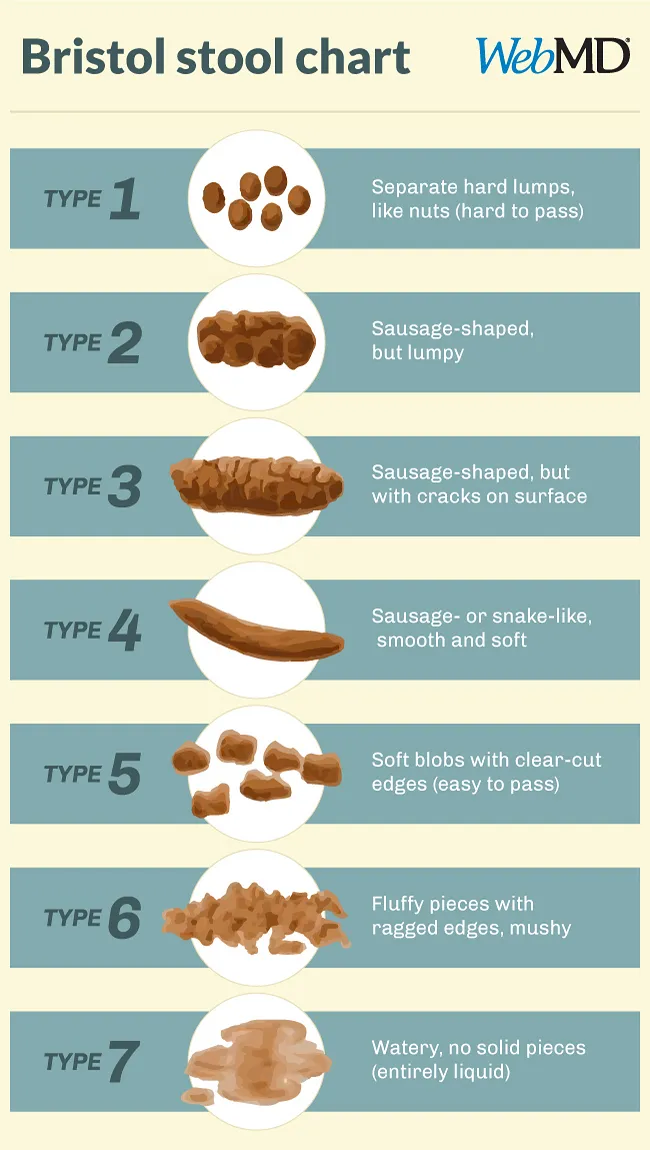
What you eat affects what comes out. The Bristol Stool Chart classifies poop types. The ideal stool is Type 4: smooth, soft, and snake-like. This leaves minimal residue and requires less cleaning. Types 1-2 indicate constipation. Types 5-7 suggest too much water and not enough fiber. Both require more wiping.
How Fiber Creates the Perfect Poop
Fiber works its magic in two ways:
- Soluble fiber absorbs water, forming a gel-like substance that softens stool
- Insoluble fiber adds bulk to stool, helping it move through your system faster
With a high-fiber diet, you create the perfect environment for clean, efficient poops—the kind where one wipe is enough.
The Fiber Calculation
Most adults need 25-30 grams of fiber daily. Harvard Health says the average American only consumes 10-15 grams. This deficit shows up in your bathroom habits!
Here are some high-fiber foods to incorporate into your diet:
- Fruits:Guavas, apples, pears, berries (with skins for maximum fiber)
- Vegetables:Moringa leaves, spinach, broccoli, carrots, Brussels sprouts
- Legumes: Beans, lentils, guar gum, chickpeas
- Whole grains: Oats, wheat, brown rice, quinoa
- Seeds and nuts: Chia seeds, flaxseeds, almonds
Eat these fiber-rich foods consistently. You will transform your digestive system into a well-oiled machine. This means smoother, cleaner poops with minimal wiping.
Future Salad: Your Secret Weapon for Better Poops

Do you think you're getting enough fiber? Future Salad is packed with the right balance of fiber and gut-friendly nutrients to support regular, smooth digestion. No extra effort required. Here’s how it helps you poop like a pro:
✔ Fiber-Rich for Effortless Motility – Future Salad has 6g of dietary fiber per serving. It delivers clean plant nutrition. This supports natural bowel motility and daily regularity.
✔ Smoother Stools, Less Toilet Paper – Try Future Salad Detox. Stools become smoother and easier to pass. This reduces the need for endless wiping. You will use less toilet paper and water.
✔ Plant-Based & Natural Ingredients – Future Salad Detox is gentle yet effective. It uses superfoods and premium fibers. These 15 ingredients have no artificial additives. They offer constipation relief without harsh laxatives.
✔ Supports a Healthy Gut – Future Salad Detox has 30+ essential nutrients. It nourishes your digestive system. This promotes optimal gut function for comfortable digestion.
✔ Convenient Daily Nutrition – Shake one tube with cold water for 10 seconds. Enjoy instant, drinkable greens. Or blend it into your favorite smoothie.
A Little Warning: Don't increase fiber too quickly! Your gut bacteria need time to adjust, or you might experience gas and discomfort. Gradually work toward the 25-30 gram target.
How Better Poops Can Actually Save the Forests
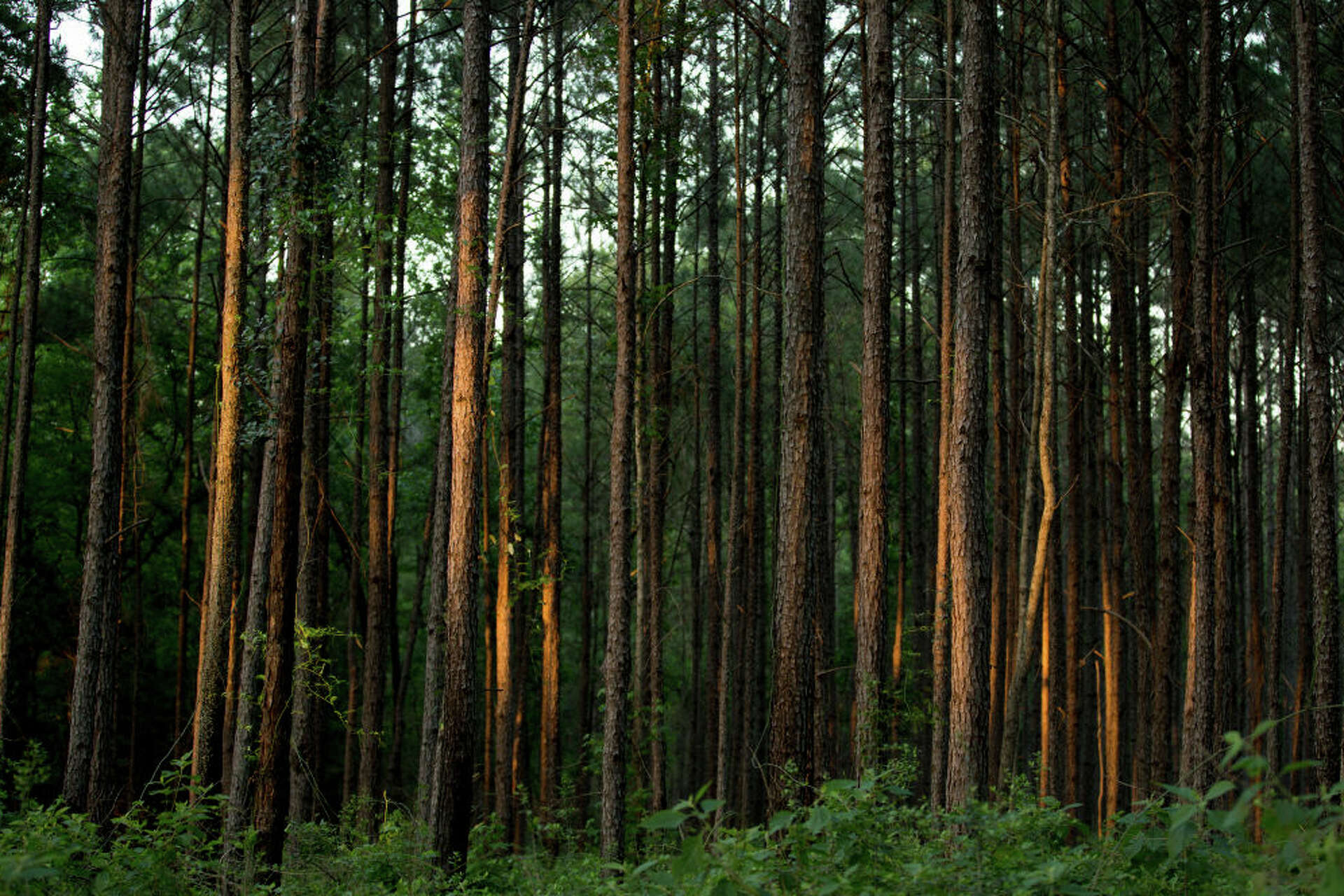
So to answer the question, "Is Your Poop Killing Our Forests?" The answer is that pooping itself isn't the problem; it's a natural part of life. However, consistently having bad poops can have a negative impact. By improving your lifestyle, increasing your fiber intake, and finding ways to reduce toilet paper usage, you can:
✓ Save trees: Cleaner poops require less wiping. This potentially saves millions of trees annually.
✓ Water conservation: Less water is needed for cleaning well-formed stools.
✓ Reduced sewer strain: Proper fiber intake prevents plumbing emergencies.
✓ Lower carbon footprint: Less manufacturing and transport of toilet paper.
Here’s your action plan to start making a positive impact:
- Increase fiber intake: Challenge yourself to reach 25-30 grams daily through high-fiber foods.
- Consider sustainable cleaning options: Cut back on toilet paper or just try a bidet. It’s like a spa day for your butt… and a win for the environment!
- Choose eco-friendly products: If using toilet paper, opt for recycled or bamboo options.
- Stay hydrated: Proper hydration works with fiber for optimal digestion.
- Practice proper techniques: Elevate your feet, relax, and let nature take its course.
- Spread the word: Break the taboo and talk about sustainable bathroom habits.
Choose fibrous foods over processed options. You are helping yourself. You are also helping save our forests, one poop at a time.
Here's to better poops, a healthier environment, and the fiber revolution!