

Your gut health plays an important role in your overall digestive wellness, and that includes colon health. Poor diet, lack of movement, and neglecting your digestive health are all linked to increased risk factors. The good news? Small, daily choices can make a meaningful difference. With the right foods and lifestyle changes, you can take a more active role in supporting your health. Let's dive into what's linked to colon cancer, who's at risk, and how you can stay informed."
Are You At Risk?
Colorectal cancer starts in the colon or rectum, often developing from polyps that can become cancerous over time. If left untreated, these abnormal cells can grow and spread. For more in-depth research and overview, visit Cancer.org. Now, let’s look at the factors that may impact your colorectal health:
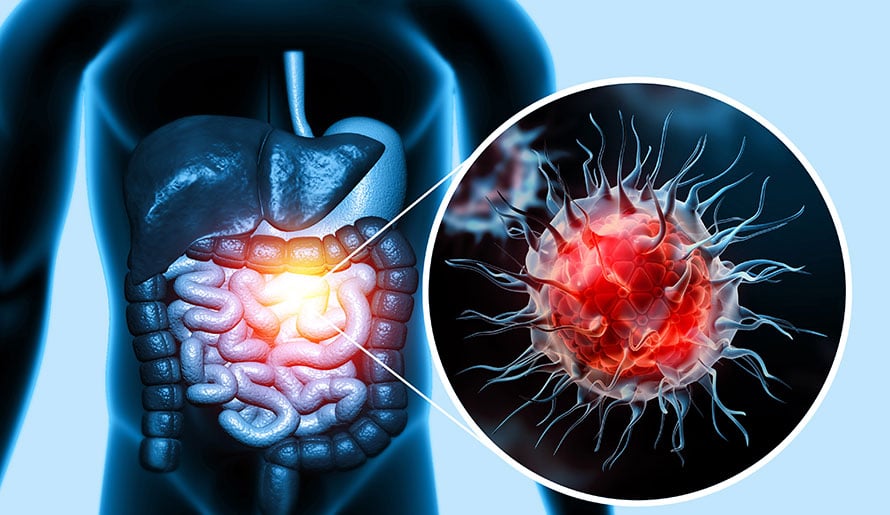
According to the World Health Organization, while colon cancer can affect anyone, some people are more vulnerable than others:
- Adults over 50– Colorectal cancer is most common in people over 50, with the risk increasing each decade after 30.
- Gender – While both men and women can develop colon cancer, men have a higher likelihood of developing rectal cancer.
- People with a low-fiber, high-fat diet – Processed foods, red meats, and fried items increase risk.
- Those with a sedentary lifestyle – Physical inactivity slows digestion and weakens the gut.
- Race – Colorectal cancer rates are higher among African Americans, American Indians, and Alaska Natives compared to other racial and ethnic groups in the U.S.
- Individuals with a family history– If colorectal cancer runs in your family, your risk is higher.
- People with digestive issues – Conditions like IBS, Crohn’s disease, and chronic constipation can increase risk.
- Smoking and drinking alcohol – People who drink excessively and smoke regularly have a higher risk of colon cancer.
Early Symptoms of Colon Cancer
Did you know?🔎
Colon cancer is the third most common cancer worldwide, following breast cancer as the most common and lung cancer as the second most common, as reported by the World Health Organization.
Catching colon cancer early increases the chances of successful treatment. Some warning signs to watch out for include:
- Persistent changes in bowel habits (diarrhea, constipation, or narrowing of stools)
- Blood in the stool (which may appear dark or bright red)
- Unexplained weight loss
- Persistent abdominal discomfort (cramping, gas, or pain)
- A feeling that the bowel doesn’t empty completely
- Fatigue or weakness
If you experience any of these symptoms for more than a few weeks, consult a healthcare provider. Early detection saves lives.
How Your Diet Supports Colon Health
If you think you might be more at risk, it's important to make lifestyle changes, especially by staying active, managing stress, and getting enough sleep. But the first thing you can do right now is to rethink your diet, especially if you haven’t been mindful of it before.
Your gut health plays a major role in your overall digestive wellness. The key? A healthy, plant-based diet rich in premium vegetables, fruits, and whole foods that support digestion and overall well-being. Here's how you can change your diet:
1. Eat More Vegetables & Superfoods
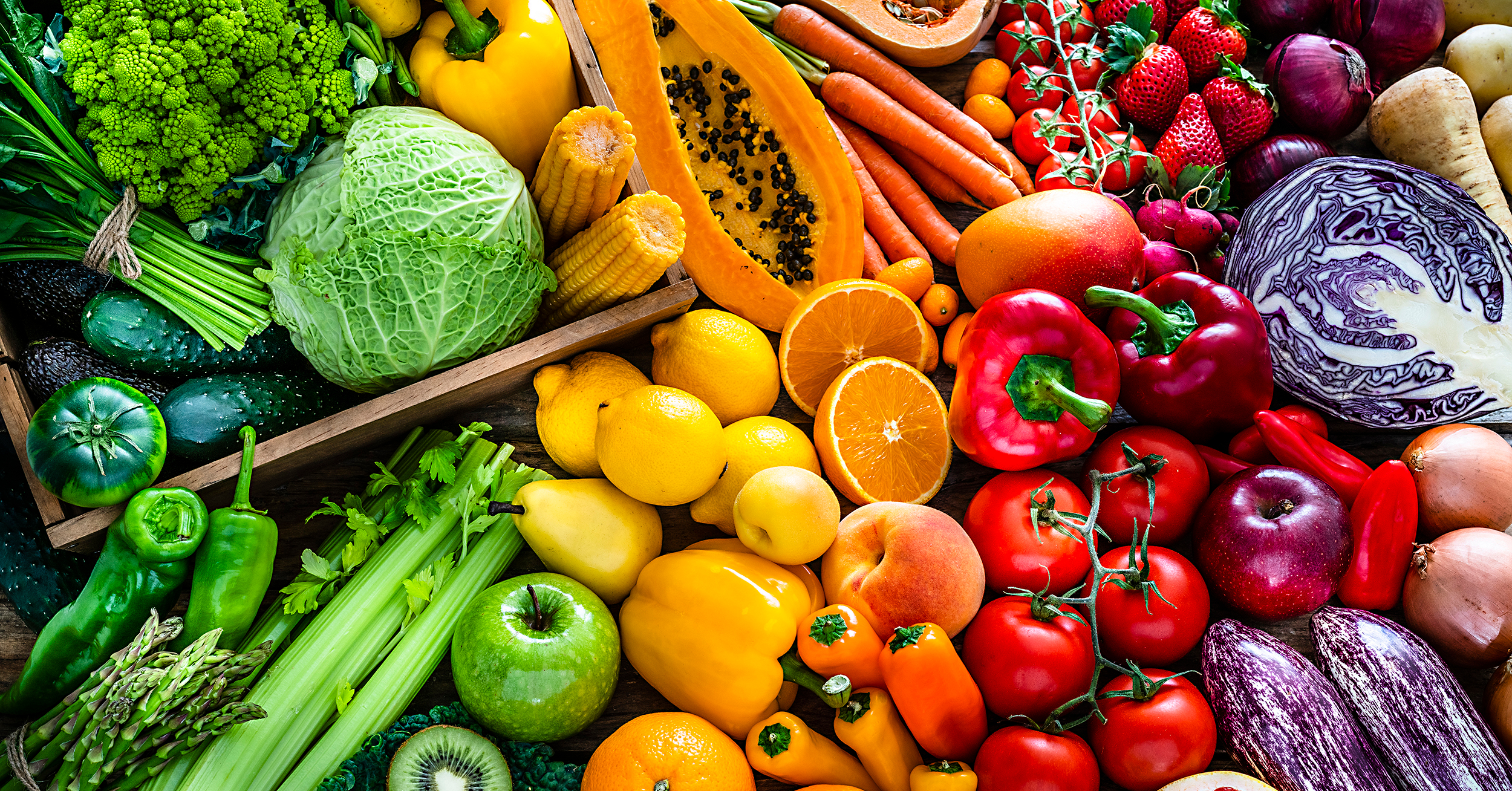
Vegetables contain antioxidants and plant compounds that support overall digestive wellness. Focus on:
- Cruciferous Vegetables – Broccoli, cauliflower, cabbage, and Brussels sprouts contain compounds that help detoxify carcinogens.
- Leafy Greens – Spinach and kale are rich in vitamins, minerals, and antioxidants that support cellular health.
- Moringa Leaves– Naturally rich in antioxidants and support overall gut wellness.
- Colorful Fruits – Apples, berries, oranges, and mangoes
- Garlic & onions– Known for their gut-cleansing benefits
2. Cut Down on Processed & Red Meat

Processed meats and excessive red meat consumption increase cancer risk. Swap them for:
- Plant-based proteins (tofu, tempeh, lentils)
-
Lean meats like fish or chicken (in moderation)
3. Stay Hydrated

Water aids digestion and supports daily regularity by keeping your digestive system running smoothly. Staying well-hydrated helps soften stool, making it easier to pass. You should aim to drink at least 8 glasses (about 2 liters or 64 ounces) of water per day to maintain proper hydration.
4. Support a Healthy Gut Microbiome
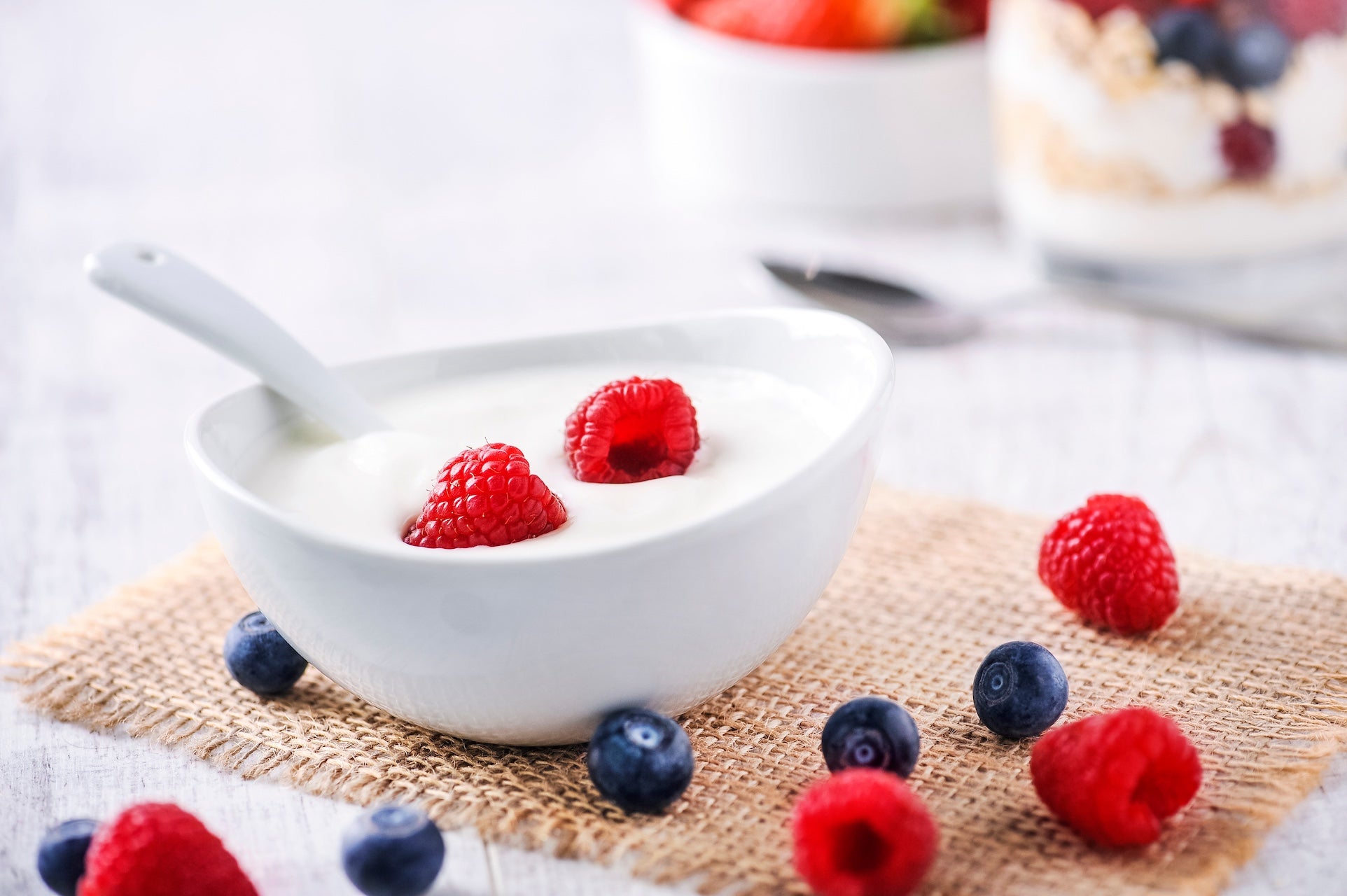
A balanced gut helps break down food properly and fights inflammation. Add:
- Yogurt (probiotic-rich)
- Fermented foods (kimchi, sauerkraut, miso)
- Kombucha (gut-friendly beverage)
What Your Bowel Movements Say About Your Colon Health
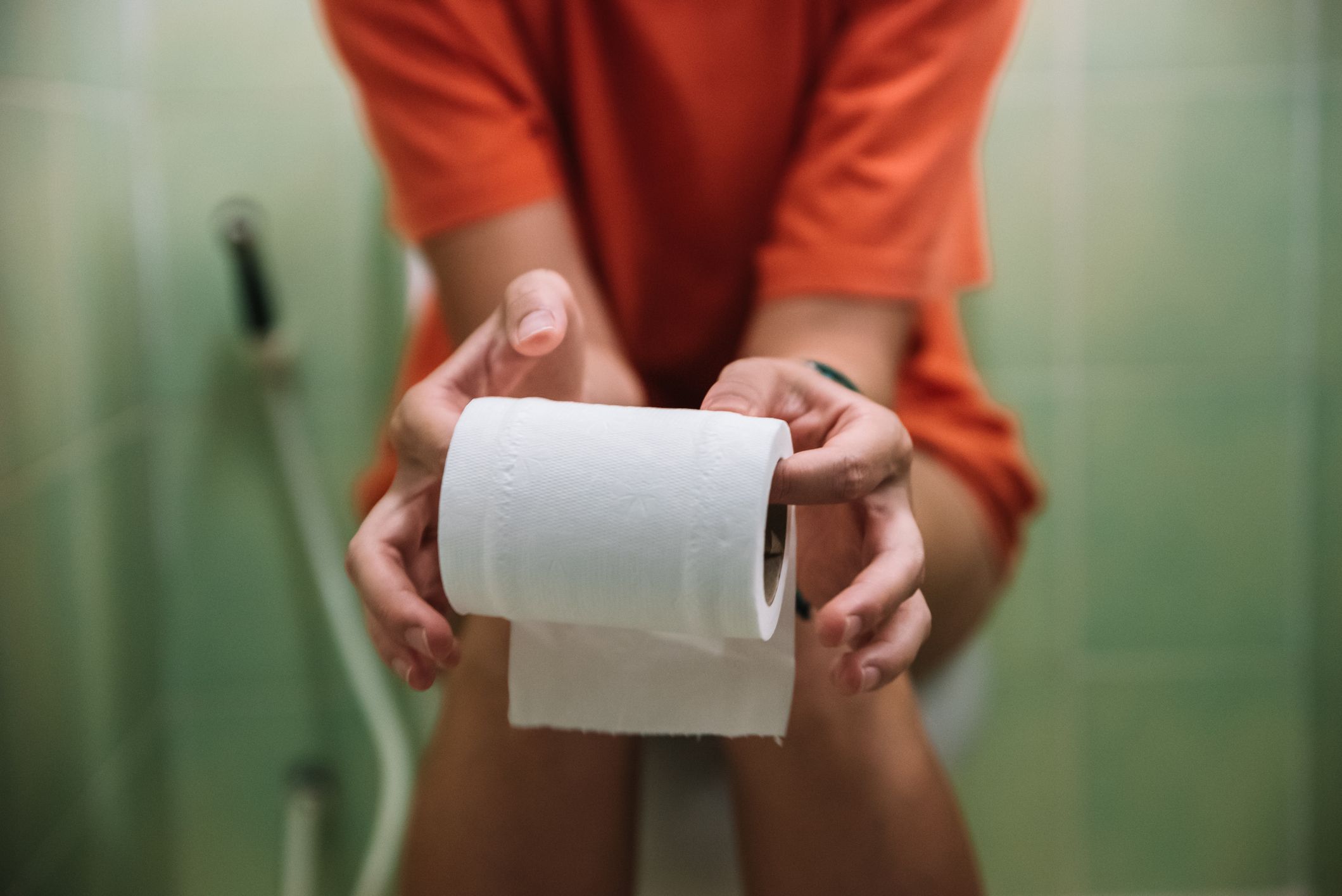
It’s only natural that bowel movements are a key indicator of colorectal health.
Why?
Think of your digestive system like a busy roadway; smooth flow is essential! When things slow down, toxins stay in your colon longer than they should. Regular bowel movements help flush out these toxins and keep your gut in balance. Here’s how to tell if your gut is healthy:
Signs of a Healthy Gut:
✔️ You go at least once a day
✔️ Your stool is soft and easy to pass
✔️ You rarely experience bloating or discomfort
How Future Salad Supports Gut Health
At Future Salad, we believe good digestion starts with the right nutrients. Our fiber-rich blend helps support regularity and keeps your gut feeling its best, making it easier to maintain a balanced, nourishing diet.

✅ Supports Regular Bowel Movements – Our customers often report feeling their bowel movements kick into gear almost immediately after taking Future Salad Detox Drink Mix without discomfort.
✅ High-Fiber Ingredients – Future Salad Detox Drink Mix is loaded with fiber to promote smooth digestion. Imagine eating five bowls of salads in one go!
✅ Moringa Power – Moringa leaves are naturally rich in antioxidants and support overall gut wellness.
✅ Natural & Plant-Based – No processed junk, no chemicals, just clean, premium 15 natural ingredients designed to fuel your body.
The next step?
Change your lifestyle. By choosing a plant-based, nutrient-rich diet, avoiding processed food, and adding Future Salad into your daily routine, you're giving your body the nutrition it needs to feel your best. Make it a habit to exercise for at least 30 minutes a day; go for a jog, take a walk with your dog, or simply move more.
Just a few small changes can make a big impact now. You're taking steps to support your overall well-being, one habit at a time.