

That $500 you spent on sleep solutions? You might be fixing the wrong problem.
You've tried everything: blackout curtains, white noise machines, expensive supplements, meditation apps. You even banished your phone from the bedroom, yet somehow, you're still lying awake at 2 AM, staring at the ceiling. Or worse, you sleep a full eight hours and wake up feeling like you've been hit by a truck.
Meanwhile, your energy crashes by mid-afternoon, and you feel older than you should.
Here's what no one's telling you: the real culprit isn't your screen time or your mattress. It could be your diet.
This isn't wellness hype. The link between diet, sleep, and longevity is backed by decades of research on the gut-brain connection. And once you see it, you can't unsee it.
The European Approach to Better Sleep

Ever wonder why people in Finland consistently rank among the best sleepers in the world? Research shows that Finnish adults who eat more fruits, vegetables, and other nutrient-dense foods tend to sleep longer, wake up feeling refreshed, and report higher sleep quality. Their diet patterns seem to support consistent, restorative sleep night after night.
A study on Greek adults found similar results: those who closely followed a Mediterranean-style diet experienced longer, more restful nights with fewer disturbances. These studies confirm that diets rich in whole grains, legumes, nuts, fruits, vegetables, and healthy fats are linked to better sleep, more consistent patterns, and fewer nights spent tossing and turning.
The One Thing Your Body Is Starving For
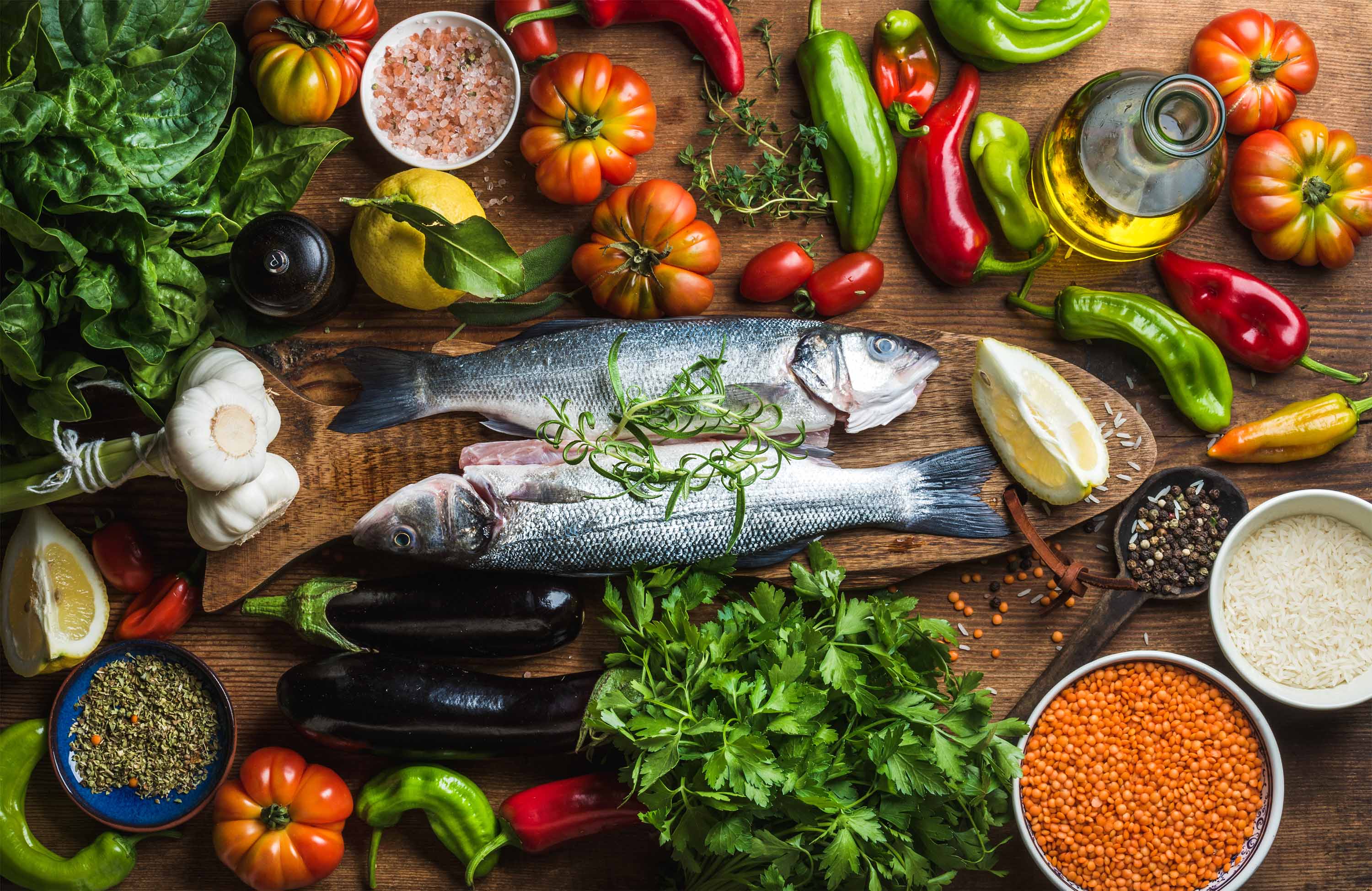
What makes this approach work? It’s not the geography or the culture. The key is fiber. Diets like the Mediterranean provide nearly double the fiber of typical Western diets, and that single difference affects everything from gut bacteria to sleep hormones.
Most people aren't just low on fiber; they are chronically deficient, and what you eat during the day directly shapes how you rest at night. Yet few of us follow these patterns, getting caught in a cycle that quietly disrupts sleep.
The Cycle That Keeps You From Sleeping Deeply

Sleep problems are rarely caused by one obvious thing. More often, they come from small disruptions beneath the surface. Your ability to stay asleep depends on your nervous system, your hormones, and even your gut. In fact, these issues often build on each other, creating a cycle that keeps sleep slipping away.
Stage 1: Processed Foods Disrupt Sleep

Ultra-processed foods do more than affect your waistline. They can quietly interfere with your sleep.
The mechanism is simple:
These foods trick your body into feeling hungrier (up to 20% more) and less full. They’re also missing important nutrients your body needs to make melatonin, like magnesium, B6, and tryptophan. On top of that, additives like emulsifiers and artificial sweeteners can harm the good bacteria in your gut that help regulate your sleep-wake cycle.
The result? You feel tired during the day, wired at night, and never fully rested.
Stage 2: Inflammation Builds

A processed, low-fiber diet can keep your body in a constant state of low-grade inflammation, and inflammation makes deep sleep harder.
What's actually happening:
When inflammation rises, your body releases stress hormones and inflammatory compounds that keep your nervous system on high alert. Your body can’t fully relax into restorative sleep when it’s dealing with internal stress, making deep sleep much harder.
Research shows chronic sleep disruption triggers inflammation and disease risk, trapping you in a cycle where inflammation interferes with sleep and blocks deep rest.
Stage 3: Chronic Stress Takes Over

Even when your body is tired, stress can keep your brain stuck in alert mode.
Here’s what happens:
Stress can make it harder to fall asleep and stay asleep, especially for people whose sleep is more sensitive to stress, as it disrupts the brain and body’s normal sleep regulation. Chronic and unresolved stress can increase the risk of chronic insomnia, anxiety, and mood problems.
Stage 4: Blood Sugar Swings

Stress and sleep problems often share a common culprit: unstable blood sugar.
When stress hits, we reach for quick comfort like sugary snacks, processed carbs, anything that feels soothing in the moment. Without fiber to slow digestion, these foods send blood sugar spiking, then crashing hard. That crash doesn't just drain your energy. It triggers a cortisol and adrenaline response to bring levels back up, which can jolt you awake at 2 AM, spark intense cravings, and trap you in a cycle of eating and crashing that repeats day after day.
Stage 5: Your Gut-Brain Axis Is Out of Sync

Your gut plays a direct role in sleep because it constantly communicates with your brain.
A disrupted microbiome, often from low-fiber and high-sugar diets, can interfere with serotonin and melatonin production. Instead of calm signals, your brain gets mixed messages, leading to anxiety and restlessness at night.
Here's the part most people don't realize:
About 90% of your body's serotonin is produced in your gut, not your brain. Serotonin is the precursor to melatonin, your primary sleep hormone.
When your gut is compromised or out of balance, those signals break down, and the system runs inefficiently. That's why perfect sleep hygiene can fall flat. The issue doesn't start at bedtime. It starts earlier in the day, with what's on your plate. Fix the input, and the output begins to change.
The Role of Sleep in Living Longer and Healthier

We all know sleep is important, but most of us underestimate just how much it affects our long-term health. Night after night of poor or restless sleep doesn’t just leave you tired the next day. Over time, it quietly accelerates aging, increases disease risk, and makes it harder for your body to recover. While you’re asleep, your body is hard at work:
-
Your brain is on cleanup duty. Sleep helps remove proteins like beta-amyloid, a key Alzheimer’s-linked buildup, that can cloud memory and speed up brain aging. Without enough deep sleep, these proteins accumulate over time, clouding your memory and speeding up the aging process in your brain.
-
Your cells are busy repairing. Growth hormone peaks at night, fixing DNA damage and keeping your body running smoothly. This is when your body literally rebuilds itself. Skip sleep, and that repair work gets postponed or skipped entirely.
-
Your hormones are getting in line. Sleep regulates the hormones that affect stress, appetite, and energy. Without it, your cortisol spikes and hunger hormones get out of control.
-
Your immune system is on alert. Quality sleep strengthens your body's defense system, helping you fight off everything from the common cold to chronic inflammation. People who sleep poorly get sick more often and take longer to recover.
- Your brain is filing memories. Sleep consolidates memories from the day, keeping your focus and mood steady.
The Long-Term Health Risks of Poor Sleep:

When you consistently lose sleep, whether from years of stress, overwork, or late nights, the effects may not show immediately but can take a real toll on your body. Chronic poor sleep has been linked to several long-term health issues, including:
- Heart problems and high blood pressure
- Blood sugar issues, diabetes, and weight gain
- Memory loss and faster brain aging
- Weakened immunity
- Premature wrinkles and tired-looking skin
Better sleep can start with small daily choices, especially the ones that support your gut and overall lifestyle. The simplest place to start? Close the fiber gap. That's the difference between restless nights and restorative sleep.
How Future Salad Supports Your Sleep and Longevity

That's where Future Salad fits in. It delivers the fiber your gut bacteria need to produce short-chain fatty acids and support serotonin production, the same pathway we just walked through. When your gut is nourished, it can play a role in supporting your body's natural sleep signals.
How Future Salad helps you have better sleep:
-
Fiber-Rich Fuel for Your Sleep-Supporting Gut Bacteria
Future Salad Detox delivers up to 6 grams of fiber per pack, the kind of fiber that feeds your beneficial gut bacteria. This targeted fiber blend supports the gut environment where serotonin production begins, helping your body build the foundation for better sleep from the inside out.
-
Whole Plant Superfoods, Not Empty Powders
Future Salad Detox features real superfoods like moringa leaves, spinach, spirulina, and more. These are nutrient-dense plant ingredients chosen for their natural benefits, not empty fillers. It is a simple way to nourish your body with the kind of whole-plant nutrition that supports rest and recovery.
-
Supporting Healthy Blood Sugar for More Restful Nights
The fiber in Future Salad Detox can be part of a balanced, fiber-rich diet that supports healthy blood sugar. Alongside consistent nutrition and healthy habits, it can complement the foundation for steady energy throughout the day.
-
Over 30+ Essential Nutrients That Support Your Natural Sleep Rhythm
Plants contain powerful compounds that support your body’s natural rhythm and melatonin production. With Future Salad Detox, you are not just getting calories. You are getting the essential nutrients your body needs to stay balanced and rested.
-
A Simple Daily Habit That Builds Over Time
The beauty of Future Salad is that it helps bridge the fiber and plant-nutrient gap many of us miss in daily life, without making things complicated. One simple daily habit that supports better sleep, better aging, and long-term health from the inside out.
Healthy sleep drives healthy aging, and the good news is you have more control than you think. You don’t need to overhaul your pantry or follow strict rules. Simply prioritizing fiber-rich, nutrient-packed foods and supporting your gut can make nights calmer and mornings brighter.
It’s simple, doable, and surprisingly rewarding. Sleep well, eat well, and let your body do the rest.
Try Future Salad and feel the difference fiber makes, not just tonight, but for the long run.🥗